
TOPTES Guard-633 H2S Detector
3.9Editor score
Seven-day battery life
Fast 0.5-second response
Clip-on portable design
This guide compares the best hydrogen sulfide monitors for safety and performance. Find top-rated H2S detectors with accurate readings and durable designs for
Hydrogen sulfide monitors are essential tools for ensuring safety in environments where toxic gases may be present. These devices detect hazardous levels of hydrogen sulfide and alert workers immediately to prevent exposure and health risks effectively.
We compared ten top-rated hydrogen sulfide monitors based on sensor accuracy, battery life, durability, and ease of use. Our analysis covers single gas detectors and multi gas monitors to help you choose the right protection for your specific needs.
Each pick highlights key features, pros, and cons to guide your decision. Prices and availability change frequently, so check current listings before purchasing to ensure you get the best value and latest model for your safety requirements.
3.9Editor score

4.6Editor score

5.0Editor score
The following table compares key specifications across all ten hydrogen sulfide monitors to help you evaluate performance, features, and suitability for your specific monitoring needs.

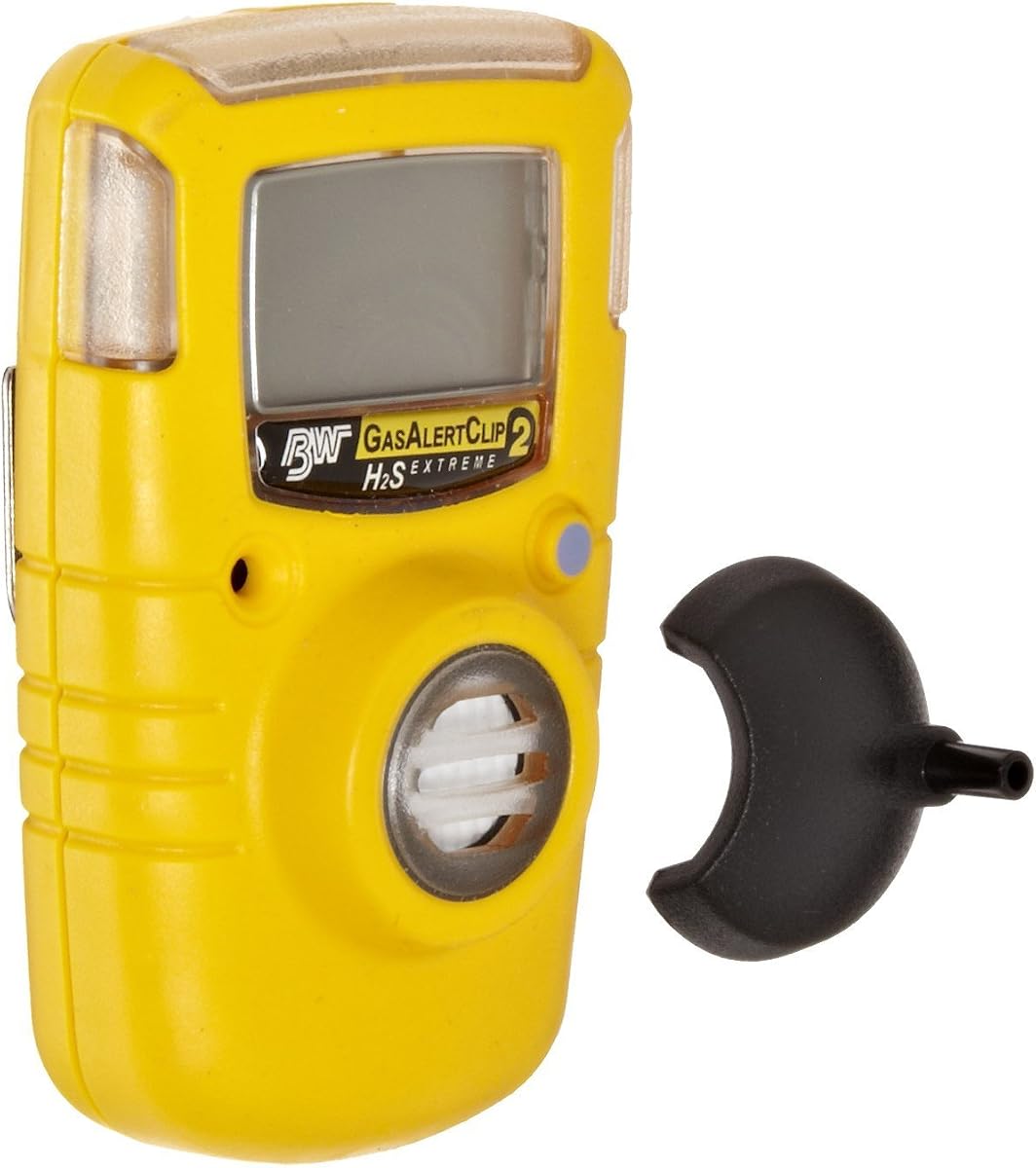
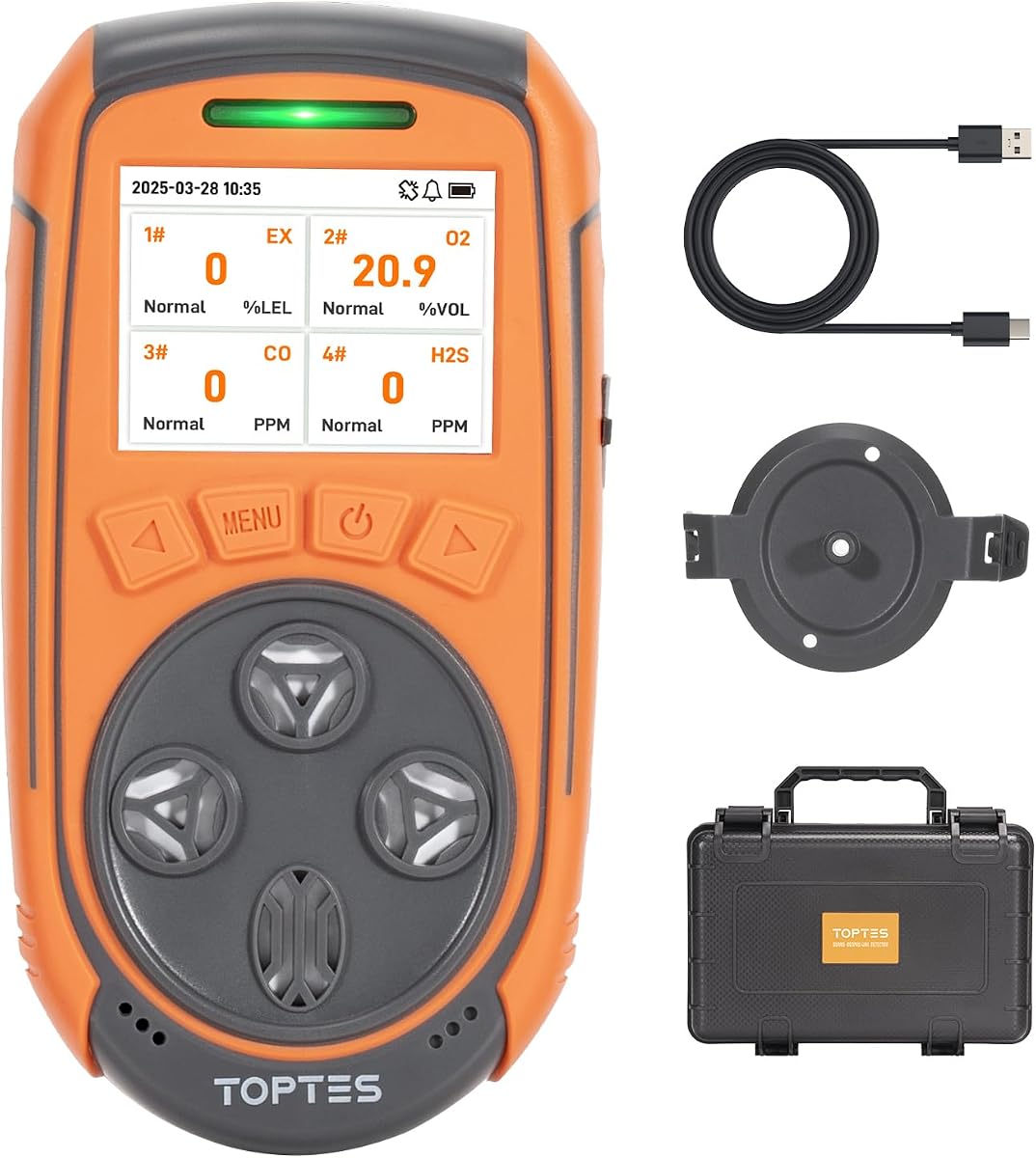


The BW Technologies/Honeywell Analytics BWC2-H BW Clip Single-Gas Detector is our top choice for hydrogen sulfide monitoring. With a strong 4.6 rating and robust features like automatic logging and hibernation mode, it delivers reliable protection for industrial environments.
We may earn a commission when you buy through this link, at no additional cost to you.
This detector excels in user-friendly design with one-button operation and automatic logging of gas events and bump tests. It integrates with IntelliDoX and fleet manager software for seamless data tracking. The hibernation mode helps extend operational life between charges or replacements.
While it focuses solely on H2S detection, the simplicity ensures high accuracy without complexity. The compact design fits comfortably on gear but accessories like docking stations add to cost. These trade-offs are acceptable for users needing dedicated single gas monitoring.
Ideal for facility workers and contractors requiring dependable H2S alerts, this BW Clip detector balances performance and ease of use. Its software compatibility and logging features make it a smart choice for safety managers prioritizing consistent and documented gas detection.
Automatic logging of gas events and bump test results helps maintain accurate safety records and simplifies compliance reporting.
Hibernation mode reduces power consumption when the device is not actively in use, maximizing operational time between maintenance cycles.
We may earn a commission when you buy through this link, at no additional cost to you.
The Hydrogen Sulfide Analyzer by Forensics stands out as the best premium option with a perfect 5.0 rating. It offers high precision 0.1 ppm resolution and a built-in pump for fast detection. NIST traceable calibration ensures trusted accuracy for critical safety applications.
We may earn a commission when you buy through this link, at no additional cost to you.
Its color display and graph functions provide intuitive operation, while USB computer data logging supports detailed analysis. The robust ABS construction and explosion-proof rating make it suitable for harsh industrial settings. Alarm events are recorded with timestamps for thorough compliance tracking.
The premium features come at a higher cost, but the accuracy and durability justify the investment. Users must handle the device carefully to maintain sensor integrity. These considerations are manageable for professional users needing certified hydrogen sulfide monitoring.
Recommended for laboratories and high-risk industrial sites, this analyzer delivers superior detection capabilities. Its combination of precision, calibration certificates, and durable design makes it the top choice for users who cannot compromise on hydrogen sulfide safety monitoring.
The high resolution enables detection of minute hydrogen sulfide changes, improving early warning capabilities for safety teams.
NIST traceable calibration ensures readings meet recognized standards, increasing confidence in monitoring results.
We may earn a commission when you buy through this link, at no additional cost to you.
The TOPTES Guard-633 offers an affordable entry into hydrogen sulfide monitoring with a 3.9 rating. Its seven-day battery life and fast 0.5-second response make it practical for extended tasks. The clip-on design ensures portability for personal safety.
We may earn a commission when you buy through this link, at no additional cost to you.
Users benefit from adjustable alarm ranges and three alarm modes to suit various environments. It includes calibration certificates to support reliability claims. Despite its budget position, the explosion-proof design provides adequate protection for most work settings.
Ratings reflect some variability in performance, so users should verify calibration regularly. The absence of advanced data logging may not suit all compliance needs. These limitations are acceptable for individuals prioritizing cost and basic safety coverage.
Best for home use or low-risk industrial applications, this detector balances budget and functionality. It is a solid starting point for those new to hydrogen sulfide safety who need reliable alerts without premium costs.
The long battery life reduces frequent recharging needs, supporting uninterrupted monitoring during long shifts or remote tasks.
Multiple alarm modes allow users to choose alerts that match their noise or visibility requirements in various work conditions.
We may earn a commission when you buy through this link, at no additional cost to you.
The MSA Altair Hydrogen Sulfide Single Gas Detector is designed for superior lifespan with patented sensors operating over two years. Its high RFI resistance and multiple alarm types enhance safety in electrically noisy environments. One-button operation simplifies use.
We may earn a commission when you buy through this link, at no additional cost to you.
This detector offers high performance with dust and water protection, making it durable for tough industrial settings. The LED, audible, and vibrating alarms ensure alerts are noticed. Its cost-effective design makes it a smart choice for organizations prioritizing value.
While it performs well, sensor replacement costs can accumulate over time. Some users may find the lack of detailed specifications challenging when comparing models. These trade-offs are acceptable given the robustness and lifespan advantages.
Recommended for industrial facilities needing reliable long-term H2S protection, this monitor balances performance and cost. Its durability and alarm features make it a dependable option for workers in hazardous environments.
Patented sensor technology extends operational life, reducing replacement frequency and total cost of ownership.
Strong radio frequency interference resistance ensures consistent readings even near heavy electrical equipment.
We may earn a commission when you buy through this link, at no additional cost to you.
The GasAlertClip Extreme gas monitor offers a zero-maintenance design with no need for calibration, sensor replacement, or charging. It runs for two years and includes automatic event logging for accurate record keeping. Its concussion-proof boot adds durability.
We may earn a commission when you buy through this link, at no additional cost to you.
This single gas detector provides reliable continuous protection with minimal training needs. The automatic logging ensures event tracking without extra effort. Its low cost of ownership makes it attractive for large teams or contractors needing simple PPE solutions.
Users cannot customize battery or sensor life, which may lead to premature disposal if not used fully. Software integration is less flexible than competing models. These limitations are acceptable for those seeking simplicity and low maintenance.
Ideal for facility workers requiring hands-off monitoring, this clip offers dependable protection. Its durability and zero-maintenance features make it a strong choice for cost-conscious safety programs.
Eliminating calibration and charging reduces operational complexity and training requirements for field workers.
Automatic logging simplifies compliance and safety audits by capturing events without manual input.
We may earn a commission when you buy through this link, at no additional cost to you.
The TopTes Guard-863Pro 4 Gas Monitor detects H2S, CO, LEL, and O2 with a vivid TFT color screen. Its upgraded O2 sensor lasts five years and the battery offers 18-hour life. USB data export supports efficient tracking and analysis.
We may earn a commission when you buy through this link, at no additional cost to you.
International safety testing ensures accurate performance. The triple alarm system with sound, light, and vibration provides clear alerts. This device suits a wide range of applications from manufacturing to rescue services.
Compared to single gas units, it costs more and requires more setup. The interface may be complex for simple H2S-only needs. These trade-offs are worth it for users needing broader gas monitoring in one device.
Recommended for multi-hazard environments, this monitor delivers versatile protection. Its long battery and export features make it practical for extended shifts and detailed reporting.
A longer sensor lifespan reduces replacement costs and downtime for oxygen monitoring.
USB export allows quick analysis of logs and records for compliance.
We may earn a commission when you buy through this link, at no additional cost to you.
The TopTes Guard-101 Gas Detector detects H2S, CO, LEL, and O2 with a 14-hour battery life. It features password protection to prevent accidental changes and explosion-proof safety. Triple alarms ensure alerts are noticed.
We may earn a commission when you buy through this link, at no additional cost to you.
International certification supports reliability claims. The clip-on design aids portability for workers. Its lower price makes multi-gas monitoring accessible for small businesses and home use.
User ratings vary slightly, suggesting checking current reviews before purchase. The display lacks advanced graphics. These limitations are acceptable given the broad detection and affordable price.
Suitable for varied industrial and home applications, this monitor offers reliable multi-gas safety. It is a practical option for those needing H2S plus other gases at a competitive price.
Password protection prevents unauthorized changes to alarm thresholds or settings.
Sound, light, and vibration alarms ensure detection in noisy or dark environments.
We may earn a commission when you buy through this link, at no additional cost to you.
The TOPTES Guard-633 provides affordable hydrogen sulfide monitoring with a 3.9 rating. It offers seven-day battery life and fast 0.5-second response for quick alerts. The clip-on design enhances portability and low battery alerts prevent interruptions.
We may earn a commission when you buy through this link, at no additional cost to you.
Adjustable alarm ranges and three alarm modes adapt to different environments. Data logging supports tracking historical alerts. The explosion-proof ABS shell ensures durability.
Ratings suggest performance variability, so users should verify readings regularly. The logging features are basic compared to higher-end units. These trade-offs fit budget priorities and occasional use.
Ideal for personal safety or low-risk settings, this detector balances cost and function. It is a practical option for users needing basic H2S monitoring without advanced features.
Seven-day battery operation supports longer tasks without frequent recharging.
Adjustable thresholds and multiple alarms ensure appropriate alerts for the site.
We may earn a commission when you buy through this link, at no additional cost to you.
The H2S Monitor Clip Single Gas Detector offers straightforward hydrogen sulfide monitoring with a 3.8 rating. It includes a backlit LCD screen, password protection, and IP65 rating. The compact clip design aids portability and cost is accessible.
We may earn a commission when you buy through this link, at no additional cost to you.
It detects 0-100 ppm with high-sensitivity sensor. Buzzer and red lights provide clear alerts. The design suits demanding industrial environments.
Ratings indicate reliability may vary. Advanced logging is missing. These limitations suit simple personal monitoring.
Best for individual use or basic settings, this monitor provides essential H2S protection. It is a low-cost entry point for safety awareness.
A backlit screen ensures PPM readings are visible in low-light areas.
IP65 protection enables use in damp or dusty conditions without damage.
We may earn a commission when you buy through this link, at no additional cost to you.
The USA NIST Calibrated 4 Gas Monitor detects O2, CO, H2S, and LEL. It includes NIST traceable calibration, USB rechargeable battery, and waterproof design. A 1-year warranty and US verification ensure trust.
We may earn a commission when you buy through this link, at no additional cost to you.
Robust ABS and anti-slip grip support handling. Alarm time stamps help track events. Its accuracy and durability suit demanding environments.
It is bulkier than single gas clips and costs more. These trade-offs fit those needing multi-gas reliability and certification.
Recommended for safety managers needing multi-gas detection, this monitor provides verified accuracy. Its rechargeability and durability make it a solid long-term option.
Detecting four gases helps cover broader risks in one device.
Calibration certification ensures accuracy meets recognized standards.
We may earn a commission when you buy through this link, at no additional cost to you.
Selecting the right hydrogen sulfide monitor requires understanding key factors that affect performance and safety. This guide outlines important considerations to help you make an informed decision.
Sensor accuracy determines how precisely a monitor detects hydrogen sulfide levels. Higher resolution sensors detect smaller changes in gas concentration, enabling earlier warnings and better safety margins. Look for monitors with clear ppm resolution and calibrated sensors for trusted readings.
Prioritize monitors with high resolution and traceable calibration for critical safety applications.
Response time indicates how quickly a monitor alerts users to rising gas levels. Faster response times reduce exposure risk by giving workers more time to evacuate or take protective action. Aim for monitors with response times under one second for rapid protection.
Faster response times improve safety by reducing exposure duration.
Battery life affects how long the monitor operates without recharging or replacement. Long battery life supports extended shifts and reduces maintenance interruptions. Rechargeable batteries offer cost savings but consider backup options for critical environments.
Choose monitors with battery life matching your typical work durations to avoid interruptions.
Durability determines how well the monitor withstands dust, water, and impacts. Look for IP ratings and explosion-proof certifications suited to your environment. Robust construction ensures reliable operation in harsh conditions.
Verify environmental ratings match your work setting to prevent equipment failure.
Multiple alarm types such as sound, light, and vibration improve alert reliability across different environments. Bright alarms and vibration ensure detection even in noisy or dark conditions. Adjustable alarm ranges allow customization for specific safety thresholds.
Select monitors with multiple alarm modes to ensure alerts are always noticed.
Data logging features help track gas events and support safety compliance. Automatic logging and software compatibility simplify record keeping and audits. Monitors with USB export enable easy data transfer for analysis.
Prioritize logging capabilities if compliance reporting is required for your work.
Portability impacts ease of use during work. Lightweight clip-on designs enable hands-free monitoring while wearable forms support personal safety. Consider weight and mounting options when selecting a monitor.
Choose portable designs that fit comfortably and allow free movement.
Total cost includes purchase price and ongoing maintenance such as calibration or sensor replacement. Zero-maintenance models may have higher upfront costs but lower long-term expenses. Balance budget and maintenance needs for cost-effective safety.
Evaluate total cost of ownership rather than just purchase price.
Before using the monitor, ensure it is fully charged or has fresh batteries. Verify calibration status and check sensor validity to maintain accuracy. Perform a bump test if supported to confirm alarms and sensors function properly.
Attach the monitor securely to your clothing or gear for constant monitoring. Keep the sensor unobstructed and away from oil or chemicals that may interfere. Monitor readings and alarms continuously during exposure-risk activities.
After use, clean the device gently with a soft cloth and store in a dry place. Log any events or alarms for safety records. Schedule regular calibration and maintenance as recommended to ensure ongoing performance.
Sensor lifespans vary by technology and usage but typically range from two to five years. Electrochemical sensors often last two to three years while advanced options may extend longer. Regular maintenance and calibration help maximize sensor life.
Calibration frequency depends on manufacturer recommendations and usage conditions. Many professionals calibrate monthly or before critical jobs to ensure accuracy. Check device manuals for specific guidelines to maintain reliable performance.
Single gas monitors are designed specifically for hydrogen sulfide detection and are not suitable for other gases. Multi-gas monitors can detect multiple gases including H2S, CO, LEL, and O2. Choose based on your specific monitoring needs.
Many modern monitors have IP65 or higher ratings protecting against dust and water ingress. This allows use in damp or outdoor environments but submersion may damage the device. Check specifications to confirm environmental suitability.
When gas levels exceed safe thresholds, the monitor triggers alarms such as sound, light, or vibration. Users should evacuate immediately and follow safety protocols. Event logging helps track exposure incidents for further review.
Perform regular bump tests using known gas concentrations to verify sensor and alarm function. Check battery levels and error indicators before use. Calibration certificates should accompany new or serviced devices for verification.
Many models support sensor replacement and professional servicing to extend device life. Contact manufacturers or authorized service centers for maintenance and calibration. Check warranty terms before attempting repairs.
Look for certifications such as ATEX, IECEx, or NIST traceable calibration to ensure compliance with safety standards. These indicate the monitor meets rigorous testing requirements for hazardous environments. Verify certifications match your regional regulations.
The reviewed hydrogen sulfide monitors provide reliable safety options ranging from budget clip-on units to advanced calibrated analyzers. Selecting the right device depends on your required accuracy, environment, and compliance needs.
Prioritize key factors such as sensor resolution, response time, battery life, and durability when making your decision. Consider data logging and alarm features to support effective safety management in your specific setting.
Prices and availability change frequently so always verify current listings and product details before purchasing. Staying informed ensures you obtain the best hydrogen sulfide monitor to protect your safety and meet regulatory standards.