
ASUS Vivobook 15 Laptop
4.9Editor score
48GB DDR4 RAM
Intel Core i9 processor
Large storage SSD
Machine learning demands powerful hardware capable of handling complex models and massive datasets. Choosing the right laptop requires balancing processing power, graphics capabilities, and portability for your specific workflow needs.
We evaluated ten top-tier laptops based on their processor speed, memory capacity, graphics performance, and overall build quality. Our analysis focuses on devices that excel in training models and running inference tasks efficiently.
Each pick highlights key specifications and real-world performance traits to guide your decision. Remember that product availability and pricing can change, so verify details before purchasing to ensure you get the best value.
4.9Editor score

5.0Editor score

4.7Editor score
As an Amazon Associate we earn from qualifying purchases.
The following table provides a side-by-side overview of the top ten laptops for machine learning. Each entry highlights essential hardware details to help you compare performance capabilities at a glance.

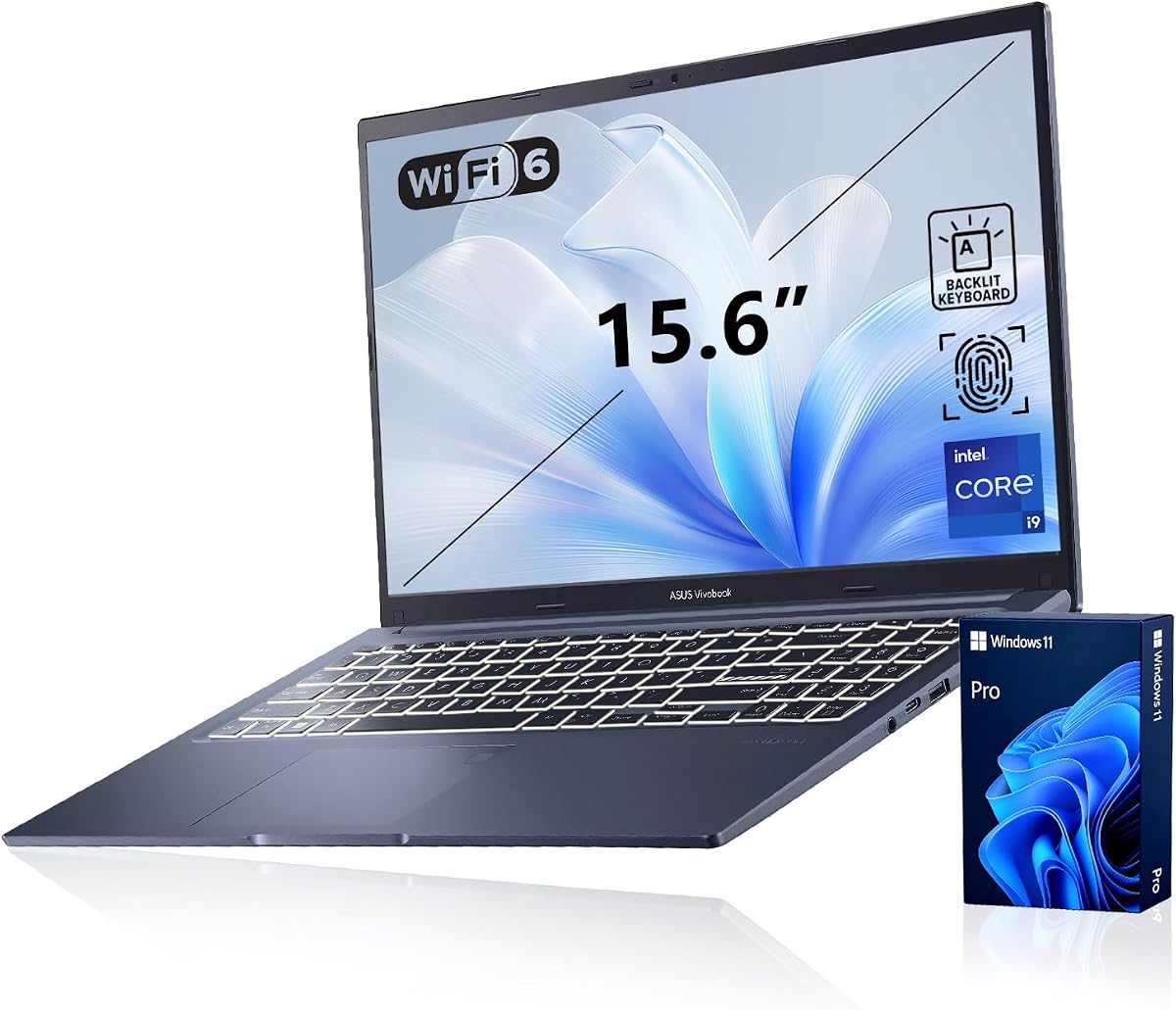


The ASUS Vivobook 15 stands out as a budget-friendly option that packs serious processing power. With an Intel Core i9-13900H processor and 48GB of RAM, it handles complex simulations and AI-enhanced software with ease. Its rating of 4.9 highlights strong user satisfaction regarding performance and value.
We may earn a commission when you buy through this link, at no additional cost to you.
This laptop is optimized for mobile productivity and next-gen AI workloads. The 14-core processor delivers elite-level performance suitable for multitasking and demanding creative software. The included PCO Cooler ensures thermal stability during intense tasks, maintaining peak frequency for longer durations.
While the integrated graphics limit deep learning training speeds, this system excels at data preprocessing and CPU-bound tasks. The non-touch FHD display offers glare-free visuals for long sessions. Users benefit from instant login via fingerprint reader and privacy protection with the webcam shield.
Ideal for students and professionals who need high CPU power without a premium price tag. This device is best suited for those who rely on cloud-based GPU resources or CPU-centric workflows. The extensive connectivity options eliminate the need for extra dongles during daily use.
The PCO Cooler bundle helps prevent thermal throttling, ensuring consistent performance during extended machine learning preparation tasks.
With USB Type-C, multiple Type-A ports, and HDMI, you can connect external monitors and storage without adapters.
We may earn a commission when you buy through this link, at no additional cost to you.
The Dell Precision 7680 represents the top of the Precision lineup, designed for demanding workloads like CAD and 3D rendering. With an Intel Core i9-13950HX and 32GB DDR5 RAM, it offers scalable capabilities for architects and engineers. Its ISV certifications ensure compatibility with professional applications.
We may earn a commission when you buy through this link, at no additional cost to you.
This workstation supports up to three external monitors for flexible multi-screen setups. The 16-inch FHD+ display delivers sharp visuals for detailed design work. Wi-Fi 6E and Thunderbolt 4 ports provide fast connectivity and compatibility with a wide range of peripherals for efficient workflows.
Although it is built for stationary work, the design balances performance with durability. The CAMM memory design overcomes SODIMM limits for faster RAM and thinner profiles. The laptop is ideal for users who need enterprise-grade security and IT manageability in their daily tasks.
Choose this model if you prioritize workstation-class computing and need reliable performance for complex projects. It suits professionals who value expandability and long-term reliability over ultra-portability. The included warranty support adds peace of mind for business-critical work.
ISV certifications guarantee dependable performance when running specialized software for engineering and data analysis.
Support for three external monitors allows for immersive multitasking across multiple datasets and tools.
We may earn a commission when you buy through this link, at no additional cost to you.
The Dell Precision 7780 is the ultimate machine for complex engineering and data science. Featuring an NVIDIA RTX 3500 GPU with 12GB VRAM and 128GB RAM, it delivers the stability and power required for advanced design. Its perfect 5.0 rating reflects user satisfaction with this high-performance configuration.
We may earn a commission when you buy through this link, at no additional cost to you.
This system is optimized for intensive content creation and software development. The Intel Core i9 processor and professional-grade GPU ensure seamless multitasking. The 17.3-inch display provides ample space for code editors and visualization tools without the need for external screens.
While the cost is high, the capabilities justify the investment for professionals who need local processing power. ISV certifications guarantee compatibility with professional software used in design and engineering. The laptop is built to handle demanding tasks that would overwhelm standard consumer devices.
Select this workstation if you require top-tier local computing power for training models or rendering complex scenes. It is best suited for users who can accommodate its size and weight. This device serves as a powerful desktop replacement that remains transportable for site work.
The NVIDIA RTX 3500 offers professional stability for engineering tasks and intensive content creation workflows.
With 128GB of RAM, you can load massive datasets into memory for faster processing speeds.
We may earn a commission when you buy through this link, at no additional cost to you.
This Dell Precision 7780 variant focuses on maximizing memory and GPU power for data analysis. With 128GB of RAM and an NVIDIA RTX 3500, it supports demanding workloads like 3D modeling and rendering. The system is designed for engineering and software development where stability is critical.
We may earn a commission when you buy through this link, at no additional cost to you.
The 1TB NVMe SSD ensures fast storage access for active projects. Connectivity options include HDMI and USB-C for versatile setups. Windows 11 Pro with AI Copilot aids productivity and security during modern workflows. It serves as a certified workstation for professional applications.
The trade-off involves higher costs and increased weight due to the workstation chassis. Users must prioritize performance over portability. However, the inclusion of essential business features ensures it meets enterprise requirements for reliability and manageability.
Choose this model if you need local power for intensive tasks without relying on cloud resources. It is ideal for professionals who require large memory pools for dataset management. This workstation balances heavy duty performance with essential connectivity for diverse tools.
ISV certifications ensure the system runs specialized software efficiently for design and engineering tasks.
The NVMe SSD provides rapid data access to support quick loading of large datasets and files.
We may earn a commission when you buy through this link, at no additional cost to you.
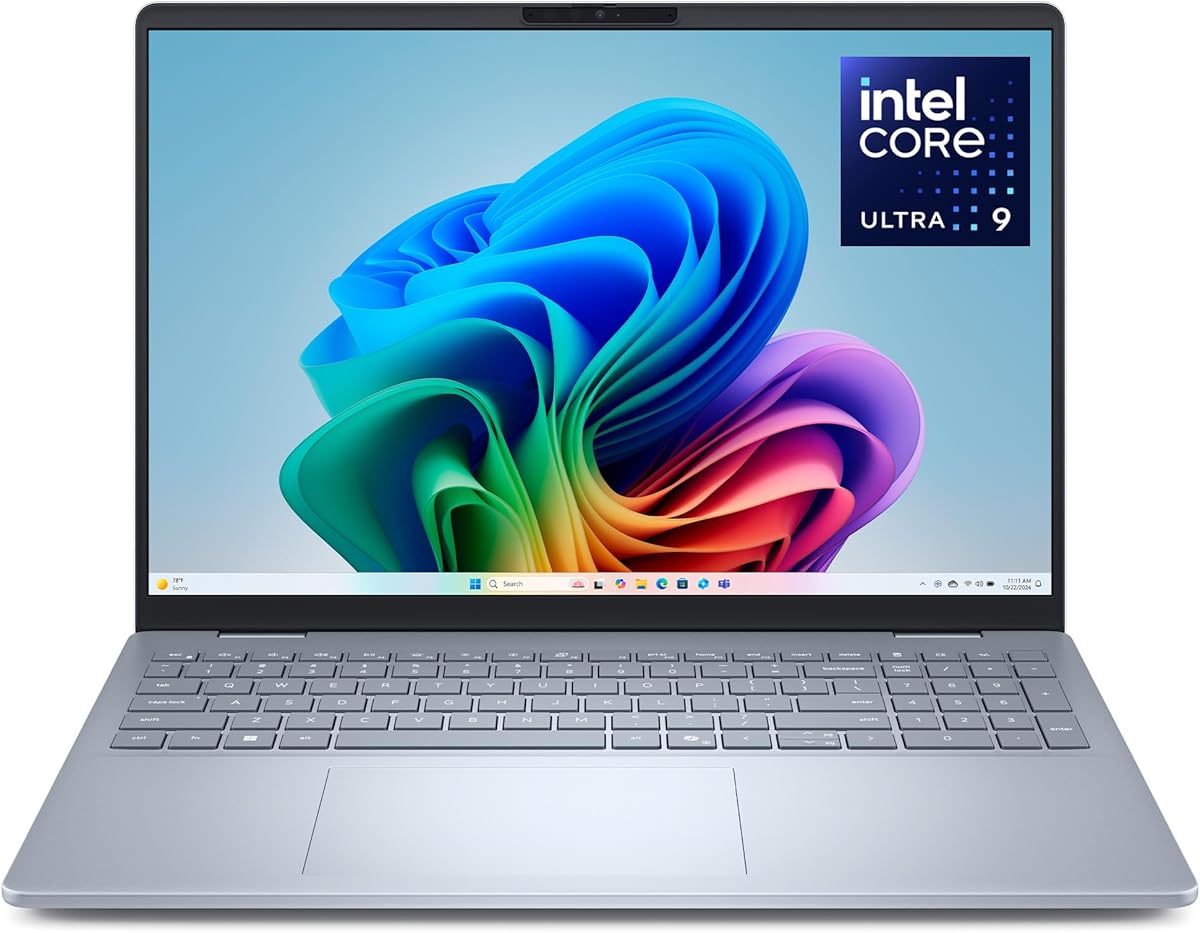
The Dell 16 Plus Laptop is built from the ground up with Intel’s latest client compute engines designed for AI experiences. It features an Intel Core Ultra 9 processor and 32GB RAM, delivering power efficiency and performance. The QHD+ screen offers expansive visuals for complex data sheets.
We may earn a commission when you buy through this link, at no additional cost to you.
This device focuses on portable collaboration with high-quality materials and durability. The FHD+ webcam ensures clear video calls and secure login with Windows Hello. It is ideal for workers who need reliable performance on the go without compromising on screen quality.
The main limitation is the lack of dedicated graphics for heavy machine learning tasks. However, for data analysis and cloud-based workflows, it provides a robust platform. The aluminum build ensures it can withstand everyday rigors effectively.
Select this if you prioritize modern connectivity and screen quality in a portable device. It suits professionals who value efficiency and collaboration tools. This laptop offers a balanced option for those needing strong CPU performance in a lightweight chassis.
Built with the latest compute engines to deliver ultimate power efficiency and cooler performance daily.
Sleek aluminum design with military-grade testing ensures exceptional reliability for daily business use.
We may earn a commission when you buy through this link, at no additional cost to you.
The ASUS Vivobook Core i9 offers flexible configurations for different budget needs. With up to 48GB RAM and 2TB SSD, it supports massive multitasking and storage. The Intel Core i9 processor ensures elite-level performance for simulations and creative software effectively.
We may earn a commission when you buy through this link, at no additional cost to you.
This model focuses on mobile productivity with features like a numeric keypad and privacy shield. The backlit keyboard aids work in low-light environments. Security is enhanced by a fingerprint reader for instant login and secure access to your data.
While the display is standard FHD, the connectivity suite is comprehensive for daily use. You get USB Type-C and multiple Type-A ports to connect peripherals. The system is optimized for professionals needing reliable hardware for daily tasks.
Ideal for users seeking a customizable balance of power and cost. This device works well for data handling and basic modeling tasks. It provides a solid platform for those who prefer specific memory upgrades for their workflow.
A comprehensive I/O suite eliminates the need for dongles during standard daily computing tasks.
Open for upgrading purposes with specific coverage on RAM and SSD to extend usability.
We may earn a commission when you buy through this link, at no additional cost to you.
The MacBook Air with the M5 chip is designed for college and everyday AI use. It packs blazing speed into a portable design with up to 18 hours of battery life. The 15.3-inch display offers vivid visuals for multitasking across multiple apps effectively.
We may earn a commission when you buy through this link, at no additional cost to you.
This device focuses on on-device AI with the Neural Engine and next-generation GPU. Apple Intelligence helps streamline daily tasks with privacy protections. The center stage camera ensures you stay in frame during video calls and classes effectively.
Despite its thin profile, it supports up to two external displays. The MagSafe charging and two Thunderbolt 4 ports provide essential connectivity for peripherals. It is best for those prioritizing battery life and portability over heavy local training.
Choose this if you need a portable device for inference and data prep. It is ideal for students and remote workers. This model balances performance with a sleek design for users on the move.
The M5 chip's Neural Accelerators give you a powerful platform for AI without heavy hardware.
Power through a full day of classes without worrying about plugging in during use.
We may earn a commission when you buy through this link, at no additional cost to you.
The 13-inch MacBook Air combines power and portability with the M5 chip. It is ready to take on major assignments anywhere with up to 18 hours of battery life. The 13.6-inch display supports rich contrast and sharp detail for text clarity.
We may earn a commission when you buy through this link, at no additional cost to you.
This laptop excels at on-device AI and creative workflows. The Neural Engine ensures smooth responsiveness across apps. Touch ID and Face ID offer secure login options. It is ideal for students and workers needing mobility without sacrificing speed.
The trade-off is a smaller screen and limited memory. However, the performance is fluid for most tasks. It supports two external displays for expanded workspace. This makes it versatile for home office setups too.
Select this for pure portability and battery efficiency. It suits users who travel frequently. This model provides a strong platform for inference and general computing on the go.
Faster CPU and unified memory make multitasking and creative workflows smooth and responsive.
Military-grade testing ensures exceptional reliability as you put it through the rigors of daily use.
We may earn a commission when you buy through this link, at no additional cost to you.
This Dell Precision 7780 variant supports engineering and design with a powerful GPU. The NVIDIA RTX 3500 with 12GB GDDR6 memory aids 3D modeling and rendering tasks. Its ISV-certified status ensures compatibility with professional software applications.
We may earn a commission when you buy through this link, at no additional cost to you.
The 17.3-inch screen provides ample workspace for complex tasks. Connectivity includes USB-C and HDMI for versatile setups. Windows 11 Pro with AI Copilot aids productivity during daily workflows. It is built for business reliability and management.
The main trade-off is weight and portability compared to consumer laptops. However, the workstation build quality is robust for on-site work. It balances high-end performance with essential connectivity for a range of peripherals.
Choose this if you need a portable workstation for visualization. It suits engineers and developers who require GPU power locally. This device serves as a reliable tool for complex design and content creation needs.
The RTX 3500 supports visualization and content creation workflows with dedicated graphics memory.
USB-C, HDMI, and Wi-Fi options ensure flexible connections to external monitors and storage.
We may earn a commission when you buy through this link, at no additional cost to you.
The MacBook Pro with M5 Pro chip brings next-generation speed and powerful on-device AI to professional tasks. It features a 14.2-inch Liquid Retina XDR display with high brightness. The Neural Accelerator built into each core delivers faster AI performance.
We may earn a commission when you buy through this link, at no additional cost to you.
This machine supports up to three external displays for complex setups. The six-speaker sound system with Spatial Audio makes everything sound great. It offers all-day battery life even under heavy load. The 1TB SSD provides double the starting storage for active projects.
While the price is high, the performance justifies it for professionals. The design balances power and portability for field work. It is ideal for video editing, coding, and AI development where efficiency matters.
Select this if you need a premium portable workstation for heavy workflows. It suits creative professionals and data scientists. This model provides a top-tier experience for users who demand speed and quality.
The XDR display features 1600 nits peak brightness for vibrant visuals in any environment.
Studio-quality mics and six speakers ensure clear sound for meetings and media tasks.
We may earn a commission when you buy through this link, at no additional cost to you.
Choosing a machine learning laptop requires understanding how hardware impacts training speeds and inference capabilities. Here are key factors to consider.
The CPU handles data preprocessing and model training when GPU acceleration is not available. Look for high core counts and fast clock speeds to reduce wait times during complex simulations. Modern generations like Core i9 or Apple M-series offer optimized performance for AI workloads.
Prioritize processors with high multi-core ratings to ensure smooth multitasking.
A dedicated GPU is essential for accelerating deep learning tasks. NVIDIA RTX cards with significant VRAM allow you to run larger models locally without relying on cloud resources. Integrated graphics can handle basic tasks but will struggle with intensive training workloads.
Ensure the GPU has enough memory to support your largest expected model sizes.
RAM determines how much data you can load into memory simultaneously. For large datasets, aim for at least 32GB to avoid bottlenecks during processing. More memory allows for smoother workflows when running multiple applications alongside your training software.
Choose higher memory options if you plan to work with large batch sizes.
Fast storage reduces the time taken to load datasets and save models. NVMe SSDs offer significantly faster read and write speeds compared to traditional drives. Large capacity is also important for storing libraries and temporary files generated during training.
Select a drive with at least 1TB to accommodate growing project needs.
If you work remotely, weight and battery life are critical. Lightweight laptops allow for easier travel while long battery life ensures uninterrupted work sessions. However, high performance often comes at the cost of battery endurance due to power consumption.
Balance performance needs with the mobility required for your lifestyle.
A sharp display reduces eye strain during long coding sessions. Higher resolution screens allow you to see more code lines or data points at once. Anti-glare features and color accuracy are beneficial for data visualization tasks.
Look for displays with at least 1080p resolution for clarity.
Sufficient ports allow you to connect external monitors and storage drives. Thunderbolt and USB-C support fast data transfer and docking station connections. Wi-Fi capabilities ensure reliable cloud access for distributed training tasks.
Verify that the laptop has enough ports for your peripheral setup.
Ensure the operating system supports your preferred development tools. Linux is often preferred for scientific computing while macOS offers optimized neural engines. Check for ISV certifications if you rely on specific engineering software for your projects.
Choose an OS that aligns with your software ecosystem.
To maximize performance, close unnecessary applications before running heavy training tasks. Ensure the system has adequate ventilation to prevent overheating during long processing sessions. Use external cooling pads if the laptop tends to run hot.
Regularly update your operating system and drivers to maintain compatibility with the latest AI tools. Keep your storage organized by archiving old models and datasets. This prevents the drive from filling up and slows down access times.
Clean the screen and keyboard gently to preserve hardware quality. Avoid using the laptop on soft surfaces like beds that can block air vents. Proper care extends the lifespan of your device for daily workloads.
A dedicated GPU accelerates training speeds significantly compared to CPU-only setups. It allows you to run complex models locally without waiting hours. However, for inference or basic tasks, integrated graphics may suffice depending on your needs.
Windows offers broader hardware options and NVIDIA support for deep learning frameworks. Mac provides optimized AI chips for efficiency but has different hardware limits. Choose based on your preferred software ecosystem and workflow requirements.
At least 32GB is recommended for handling large datasets without swapping to disk. 64GB or more is better for enterprise-level modeling. More memory ensures smoother multitasking during data preprocessing and training.
You can train smaller models locally but large networks often require cloud resources. Laptops are ideal for prototyping and inference tasks. Use cloud services for heavy training to save battery and reduce thermal stress.
A touch screen is not essential for machine learning development. It can be useful for note-taking but adds weight. Prioritize screen resolution and color accuracy over touch capability for coding tasks.
Speed is vital for loading data quickly while capacity stores the models themselves. Aim for a balance where both speed and size meet your needs. NVMe SSDs are recommended for fast access to libraries and files.
Our top picks highlight the Dell Precision 7780 for raw power, the ASUS Vivobook 15 for budget value, and the MacBook Pro for portability. Each offers unique strengths for different workflow requirements. Select the one that aligns with your specific modeling needs.
Prioritize RAM and GPU performance if you plan to train locally. For students or remote workers, battery life and weight become more important. Evaluate your specific dataset sizes to decide on memory and storage requirements carefully.
Prices and availability change often so verify current details before purchasing. Investing in a system that grows with your skills ensures long-term satisfaction. Check the links above to explore the latest configurations for your needs.