
Dissolved Oxygen Meter with ATC
4.3Editor score
0 to 40 mg/L range
Automatic temperature compensation
Complete calibration kit included
Compare the top 10 best Dissolved Oxygen Sensors for water quality monitoring across aquaculture, labs, and hobbyist uses in October 2026.
Dissolved oxygen sensors are essential tools for monitoring water quality in various environments ranging from aquariums to industrial water treatment facilities. Choosing the right sensor ensures accurate readings which are critical for maintaining healthy aquatic life and optimizing processes.
This guide compares ten top-rated models based on performance, ease of use, and specific application needs. We evaluated galvanic, polarographic, and optical technologies to provide a comprehensive overview for both professionals and hobbyists.
Each pick highlights key features and potential trade-offs to help you make an informed decision. Note that product availability and pricing may change over time so always verify current details before purchasing.
4.3Editor score
4.4Editor score

4.8Editor score
This table provides a side-by-side comparison of all ten selected products highlighting their core specifications and primary use cases to help you quickly identify the best fit for your needs.



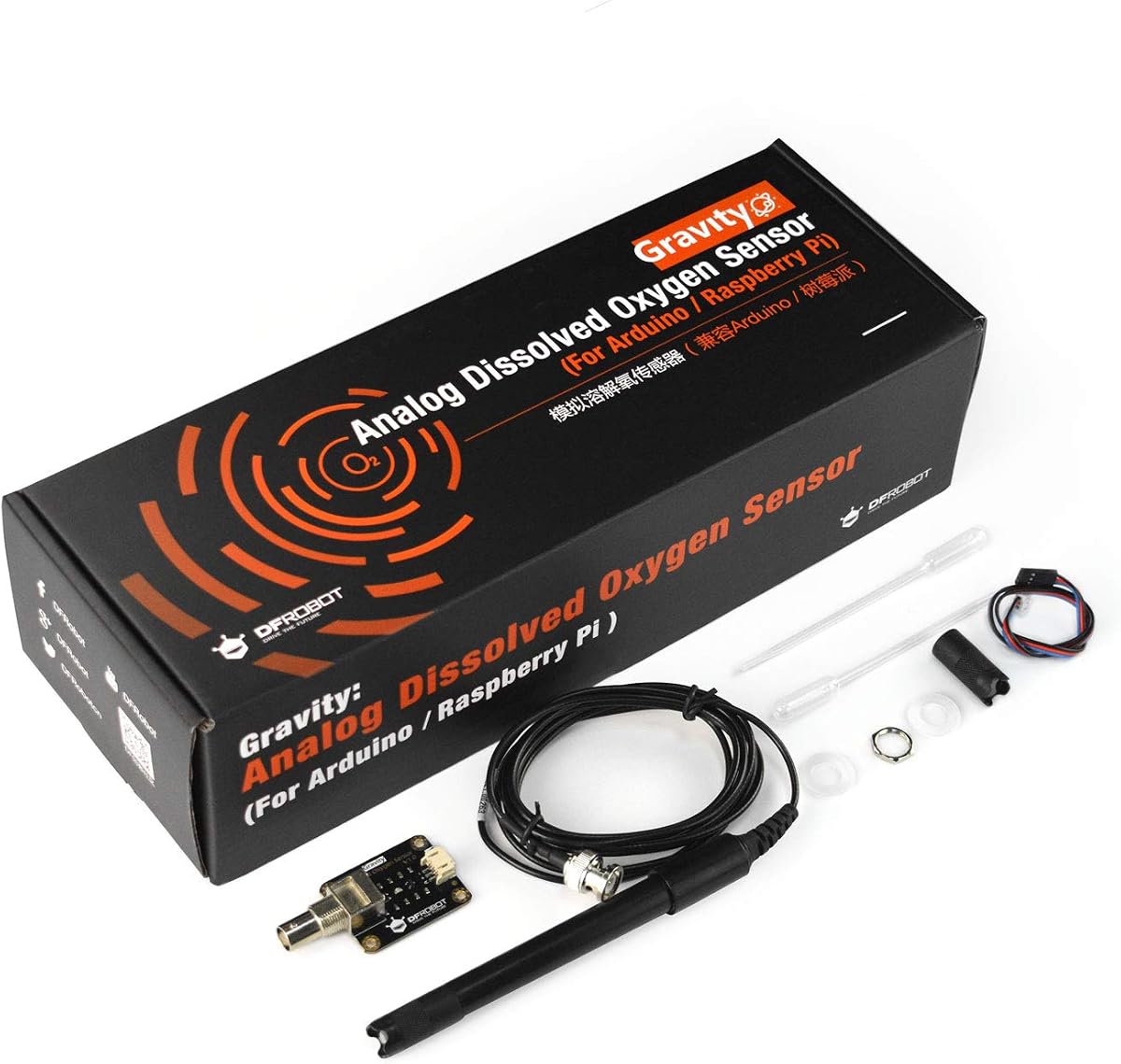
This kit offers a galvanic probe that requires no pre-heating or polarization time making it ideal for intermittent power supplies. It stays available at any time for instant measurement with a detection range of 0 to 20 milligrams per liter.
We may earn a commission when you buy through this link, at no additional cost to you.
The signal converter board features integrated hardware filtering that outputs smooth low jitter analog voltage without requiring additional software processing. It supports a wide voltage range and the standard Gravity three pin interface making it perfectly compatible with Arduino ESP32 and Raspberry Pi.
This do kit includes a spare membrane cap to ensure the project stays running longer. Both the cap and filling solution are replaceable which significantly lowers the long-term maintenance costs for hydroponics and lab research applications.
Comprehensive documentation open-source code and wiring diagrams are included for quick deployment in applications such as intelligent aquaculture or laboratory environments. Users should note that the required filling solution is not included due to shipping limitations.
The galvanic probe allows for instant readings without the wait time associated with polarographic sensors which is crucial for dynamic environments.
Designed specifically for microcontrollers like Arduino and ESP32 this sensor simplifies building connected water quality monitoring systems.
We may earn a commission when you buy through this link, at no additional cost to you.
This Dissolved Oxygen Meter features an expanded range of 0 to 40 milligrams per liter surpassing the standard 0 to 20 milligrams per liter range. This broader range supports a wide variety of applications from aquariums to industrial uses.
We may earn a commission when you buy through this link, at no additional cost to you.
Measure and calibrate effortlessly without needing to remove the electrode protective cover. Simply immerse the electrode for quick hassle-free usage. The Automatic Temperature Compensation function ensures precise results within a temperature range of 0 to 50 degrees Celsius.
The easy-to-read LCD screen provides clear readings at a glance. Plus the device features auto power-off after 8 minutes of inactivity and a low battery indicator to ensure uninterrupted usage in remote locations.
The kit includes 6 probe protective covers and anaerobic water calibration powder for your convenience and reliability. It is well-suited for measuring dissolved oxygen levels and temperature in various settings including aquariums swimming pools and aquaculture.
The 0 to 40 milligrams per liter range allows users to monitor higher oxygen concentrations found in industrial or specialized research environments.
Included anaerobic water calibration powder simplifies the calibration process ensuring accurate readings without additional purchases.
We may earn a commission when you buy through this link, at no additional cost to you.
This kit is equipped with state-of-the-art Optical DO sensor that measures dissolved oxygen level in a reliable and effortless manner. It requires minimal maintenance with no need for solution refill or frequent membrane change.
We may earn a commission when you buy through this link, at no additional cost to you.
Easy auto calibration for saturated air and zero-oxygen ensures the device is ready to use quickly. The IP67 waterproof and dust-proof structure makes it ideal to be used in harsh environments where durability is essential.
Comes with a complete meter kit including the DO meter 10 foot optical probe calibration cap and a rugged carrying case. This all-in-one solution saves time and ensures you have everything needed for accurate testing.
For professionals or serious hobbyists who value accuracy and longevity this premium kit is worth the investment. The optical technology reduces drift and provides consistent results over time compared to traditional electrochemical sensors.
Optical sensors do not consume oxygen during measurement and are less affected by chemical interferences in the water sample.
The IP67 rating ensures the device can withstand submersion and dusty conditions common in fieldwork or industrial settings.
We may earn a commission when you buy through this link, at no additional cost to you.
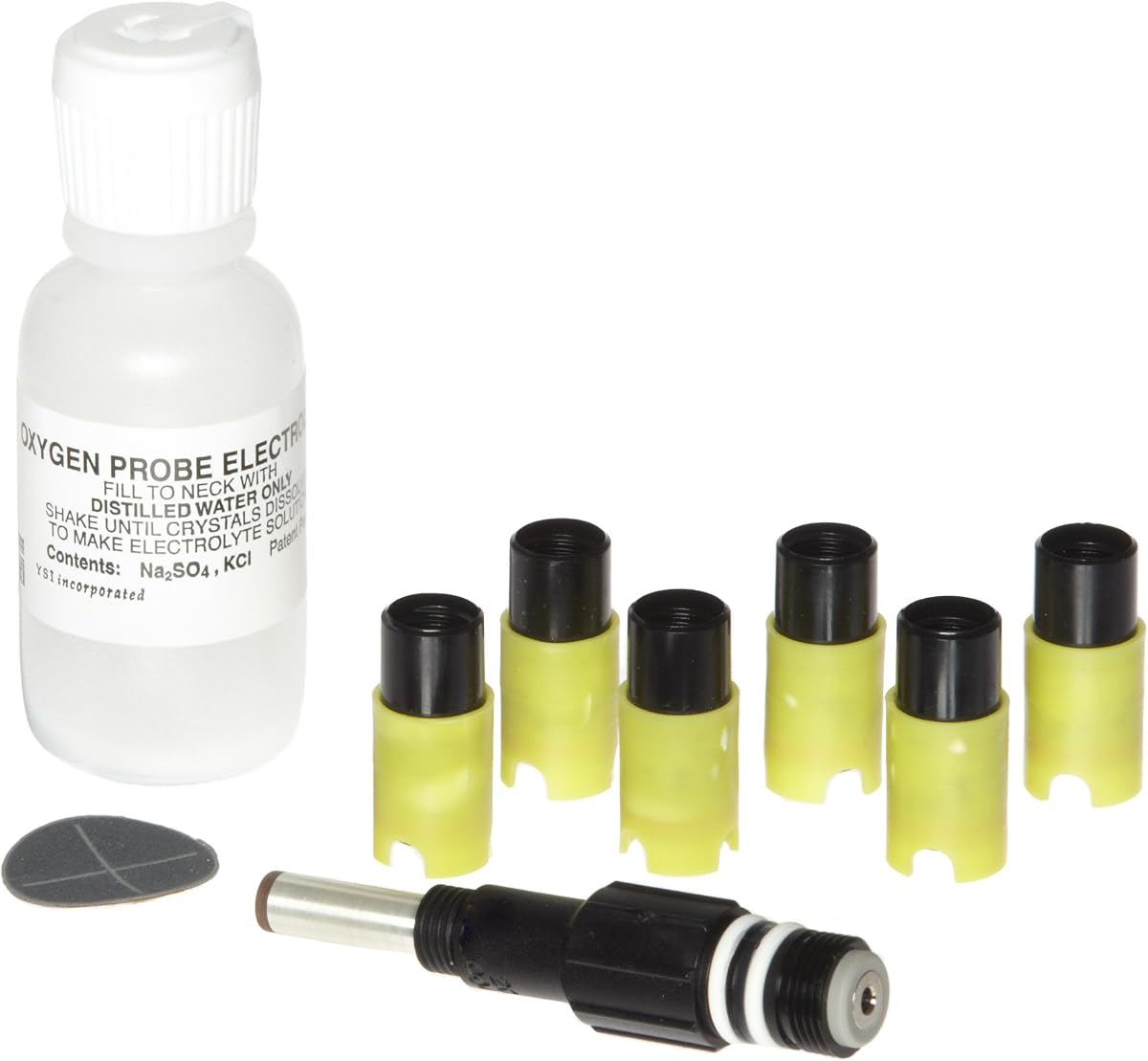
This galvanic dissolved oxygen sensor allows for quick sensor replacements if needed making it a practical choice for maintaining equipment in the field. The design ensures easy user-replaceable components without complicating the maintenance process.
We may earn a commission when you buy through this link, at no additional cost to you.
No tools are necessary for changing the sensor or the membrane. The convenient screw-on cap membranes make membrane changes simple and easy which reduces downtime during critical water quality monitoring operations.
Comes with 6 membrane caps and a bottle of solution to ensure you are prepared for immediate maintenance. This inclusion saves the user from having to purchase accessories separately upon installation.
Ideal for users who already own a compatible YSI meter this sensor provides a reliable upgrade or replacement option. Its robust construction ensures it performs well in various water quality monitoring scenarios.
The ability to replace the sensor without tools speeds up maintenance and reduces the risk of damage during the process.
Having six membrane caps and solution included ensures longevity and reduces the immediate need for additional purchases.
We may earn a commission when you buy through this link, at no additional cost to you.
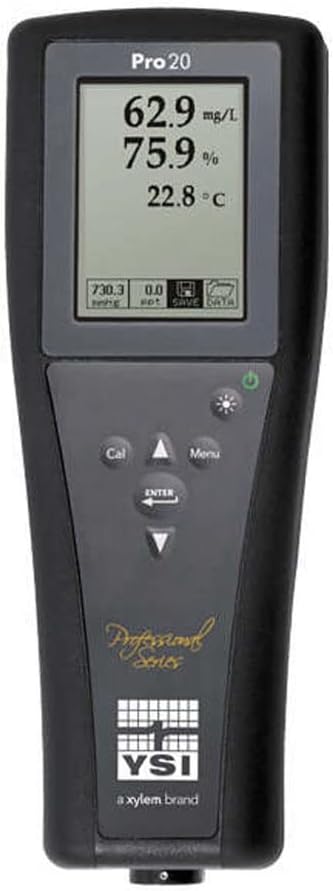
This handheld dissolved oxygen meter features One Touch Cal allowing easy DO calibrations within 3 seconds with the press of a button. It also includes automatic barometric pressure compensation for accurate readings at any altitude.
We may earn a commission when you buy through this link, at no additional cost to you.
Stores 50 data sets so there is no need to write down data manually. This feature is extremely useful for fieldwork where recording results quickly is essential for later analysis.
The graphic backlit display and glow in the dark keypad ensure readability in low-light conditions. These design elements make it easy to operate the device regardless of the time of day or location.
Designed for professionals who need a reliable standalone meter this unit offers precision and ease of use. While sold as meter only it pairs well with various YSI sensors for expanded functionality.
Storing 50 data sets internally prevents data loss and streamlines the workflow for field technicians.
The backlit display and glow in the dark keypad make it practical to use in dim environments like night checks.
We may earn a commission when you buy through this link, at no additional cost to you.
The YSI 6900 ProDSS Optical Dissolved Oxygen Sensor is designed for high-precision measurements in professional environmental monitoring applications. It utilizes optical technology which provides stable readings without the need for frequent calibration.
We may earn a commission when you buy through this link, at no additional cost to you.
This sensor is part of the ProDSS system which supports multiple parameters for comprehensive water quality analysis. Its optical nature means it does not require polarizing making it ready for immediate use when deployed.
Minimal maintenance is required compared to traditional sensors. The optical sensor design reduces drift and extends the life of the probe making it a cost-effective choice over the long term.
Ideal for research institutions and government agencies this sensor offers the reliability needed for critical data collection. It integrates seamlessly with the ProDSS handheld for streamlined data logging.
Designed for the ProDSS system this sensor allows for multi-parameter water quality monitoring in a single handheld unit.
Optical technology ensures stable measurements with reduced drift making it ideal for long-term monitoring projects.
We may earn a commission when you buy through this link, at no additional cost to you.
This digital dissolved oxygen meter has two measurement units: milligrams per liter and percentage of saturated dissolved oxygen. It comes with a 3.6-foot electrode cable making it easy to measure dissolved oxygen levels in small fish ponds.
We may earn a commission when you buy through this link, at no additional cost to you.
For most aquatic life oxygen levels must be at least 6 milligrams per liter. Use a pond oxygen meter to monitor oxygen levels in aquariums ponds fish tanks koi ponds and goldfish ponds to ensure your ponds has enough dissolved oxygen.
The device includes one bottle of zero-oxygen water calibration solution two bottles of electrolyte solution and six membranes. This makes it very convenient to use immediately upon arrival without extra purchases.
2-point calibration ensures high accuracy and the backlit display allows for readings even in dimly lit environments. It is a crucial tool for assessing water quality for pond owners and small aquaculture setups.
The cable length and calibration kit are tailored specifically for the needs of pond owners and aquaculture hobbyists.
Despite a lower rating this kit provides essential functionality for maintaining safe oxygen levels in recreational water bodies.
We may earn a commission when you buy through this link, at no additional cost to you.
This Dissolved Oxygen Tester features a large LCD that displays dissolved oxygen temperature barometric pressure and more. The stability indicator ensures accurate readings for aquaculture industrial environmental and educational applications.
We may earn a commission when you buy through this link, at no additional cost to you.
It includes smart user-friendly functions such as auto temperature compensation 99-data memory hold function and selectable auto power-off. These features provide flexibility for long monitoring sessions and easy data retrieval.
The device is compact and lightweight yet durable with a cost-effective Clark-type electrode that offers over 12 months of sensor life. It operates in 0 to 50 degrees Celsius environments making it versatile for different climates.
Measures DO temperature salinity and barometric pressure with high resolution. The IRDA port allows for data transfer to a computer enabling deeper analysis of water quality trends over time.
The 99-data memory and IRDA port allow users to track changes over time without manual recording.
Measuring salinity and pressure alongside oxygen provides a comprehensive view of water conditions affecting dissolved oxygen levels.
We may earn a commission when you buy through this link, at no additional cost to you.
This portable dissolved oxygen meter is designed for educational aquaculture water analysis and environmental analysis applications. It offers two-point manual calibration and automatic temperature compensation from 0 to 30 degrees Celsius.
We may earn a commission when you buy through this link, at no additional cost to you.
The LCD screen is clear and easy to read while ensuring accuracy during measurements. The polarographic probe includes a 3m cable and screw-on cap membrane for practical field use.
The range covers 0.0 to 19.0 milligrams per liter with 0.1 milligrams per liter resolution. This range is sufficient for most natural water bodies and standard laboratory environments.
Ideal for schools and training centers this meter balances cost with functionality. It provides students and entry-level professionals with reliable tools to learn about water quality monitoring.
The manual calibration process helps students understand the underlying principles of sensor maintenance and water chemistry.
This economy model provides access to professional-grade measurement capabilities at a price point suitable for budgets.
We may earn a commission when you buy through this link, at no additional cost to you.
This sensor is a lab supply designed for precise dissolved oxygen measurements in controlled environments. The polarographic technology ensures high accuracy for research and quality control applications.
We may earn a commission when you buy through this link, at no additional cost to you.
The package dimensions are compact at approximately 13 by 11 by 5 centimeters making it easy to store and transport. It weighs only 0.35 pounds ensuring portability within a laboratory setting.
Designed for the Pro Series this sensor offers the reliability expected from YSI instruments. It is suitable for users who require consistent and repeatable measurements for critical experiments.
The package quantity is one unit and it is a single sensor purchase. Users should ensure they have the compatible meter to utilize this sensor effectively.
Polarographic sensors are highly reliable for controlled lab environments where accuracy is paramount.
The compact packaging ensures the sensor is protected during transit making it safe for shipping to remote labs.
We may earn a commission when you buy through this link, at no additional cost to you.
Selecting the right dissolved oxygen sensor depends on your specific application whether it is for aquaculture, research, or hobbyist use. Consider the sensor type, measurement range, and ease of maintenance.
There are primarily three types of dissolved oxygen sensors: galvanic, polarographic, and optical. Galvanic and polarographic sensors are electrochemical and require electrolyte and membranes. Optical sensors measure fluorescence which requires less maintenance and no electrolyte.
Choose optical for minimal maintenance and galvanic or polarographic for cost-effective solutions in controlled environments.
Most standard sensors cover a range of 0 to 20 milligrams per liter which is sufficient for most natural waters. However some models offer extended ranges up to 40 milligrams per liter for specialized industrial or research applications.
Ensure the range matches the expected oxygen levels in your specific water body to avoid measurement errors.
Calibration is critical for accuracy. Look for meters with automatic calibration features like One Touch Cal which simplify the process. Manual calibration requires zero and saturated air points.
Auto calibration saves time and reduces user error especially in field conditions.
The cable length determines how deep you can reach into the water. Standard cables range from 1 meter to 3 meters or longer. For deep ponds or tanks choose a model with an extended cable.
A longer cable ensures you can sample from the critical depth where oxygen levels are often lowest.
If you need to track changes over time look for meters with data storage capabilities. Models with memory can store up to 50 or 99 readings allowing you to retrieve data later.
Data storage is essential for compliance reporting and trend analysis.
For field use durability is key. Look for IP ratings such as IP67 which indicate waterproof and dust-proof capabilities. This ensures the device survives harsh environments.
A rugged build protects your investment from accidental submersion or drops.
Dissolved oxygen levels are heavily influenced by temperature. Ensure your meter has Automatic Temperature Compensation to adjust readings based on water temperature.
ATC ensures accuracy across different seasons and environments.
Consider the cost and effort of ongoing maintenance. Electrochemical sensors require periodic membrane changes and electrolyte refills. Optical sensors typically require less frequent maintenance.
Choose a sensor with maintenance needs that fit your available time and budget.
To use a dissolved oxygen sensor properly begin by calibrating the device according to the manufacturer instructions. Use fresh calibration solutions and ensure the sensor is clean before starting. If using a galvanic or polarographic sensor ensure the membrane is free of air bubbles.
Immerse the probe into the water sample ensuring it is deep enough to avoid surface agitation. Allow the reading to stabilize which may take a minute or two depending on the model. Record the temperature and dissolved oxygen levels displayed on the device.
After use rinse the sensor with distilled water and store it in the protective cap with a moist cloth if required. Regular maintenance such as replacing membranes and electrolytes ensures long-term accuracy. Store the device in a cool dry place away from direct sunlight.
Most fish require at least 5 milligrams per liter of dissolved oxygen to thrive but some species need more. For trout and salmon levels should ideally be above 7 milligrams per liter. Keep levels above 6 milligrams per liter to ensure the health of most aquarium fish.
It is recommended to calibrate your sensor before each use or at least once a week for frequent use. If you notice inconsistent readings calibrate immediately. Regular calibration ensures the accuracy of your measurements over time.
No optical dissolved oxygen sensors do not use membranes or electrolytes. They rely on fluorescence technology which eliminates the need for membrane replacement. This makes them lower maintenance compared to traditional electrochemical sensors.
Low dissolved oxygen can be caused by high temperatures, organic decomposition, or limited surface aeration. It can also occur in stagnant water or during algal blooms at night. Monitoring helps prevent fish kills in ponds.
No dissolved oxygen meters are designed for liquid water samples not soil. Measuring oxygen in soil requires different probes designed to measure air oxygen in soil pore space. Using a water DO meter in soil may damage the sensor.
Slow stabilization can be caused by a dirty membrane depleted electrolyte or old sensor. Clean the probe with distilled water or replace the membrane if necessary. If the sensor is very old consider replacing it for better performance.
Yes salinity reduces the solubility of oxygen in water. High salinity can result in lower DO readings. Ensure your meter has salinity compensation or input the correct salinity value for accurate results.
Galvanic sensors generate their own voltage and do not need a power source to operate while polarographic sensors require a polarizing voltage. Galvanic sensors generally have faster response times but may need more frequent maintenance than some modern optical sensors.
We have reviewed ten top options ranging from budget-friendly meters to premium optical sensors for professionals. Whether you need a tool for IoT projects aquaculture or lab research there is a suitable model for your needs.
Prioritize features like calibration ease and maintenance requirements when making your choice. If you value minimal upkeep consider an optical sensor. For cost-effective field use galvanic or polarographic models are reliable alternatives.
Always verify the current availability and pricing before purchasing as these details may change. Use the provided links to check the latest offers and ensure you select the best sensor for your specific application.