
AMD Ryzen™ 5 9600X
4.8Editor score
6 Core 12 Thread Count
Zen 5 Architecture Base
AM5 Platform Ready
Discover the top Cpus for Workstations for 2026. Our guide compares performance, cores, and features to help you choose the right processor.
Choosing the right central processing unit is critical for professional computing tasks. Workstation CPUs must handle demanding workloads like rendering, simulation, and data analysis with stability and speed.
We evaluated ten top processors based on core counts, clock speeds, cache sizes, and platform support. This list covers high-end workstation chips and powerful desktop alternatives suitable for professional needs.
Each pick highlights specific strengths and ideal use cases for different workflows. Prices and availability change frequently, so verify current listings before purchasing to ensure you get the best value today.
4.8Editor score

4.8Editor score

4.1Editor score
This side by side comparison highlights the key specifications and capabilities of each processor listed below. Use this table to quickly identify core counts, thread numbers, and architectural features for your specific needs.


This processor ranks as our top choice for workstation users needing robust multi-core performance. With 16 cores and 32 threads it handles heavy tasks like 3D rendering and data processing efficiently. Its professional grade design ensures stability during long work sessions.
We may earn a commission when you buy through this link, at no additional cost to you.
The Ryzen Threadripper PRO series is known for reliable performance in business environments. This model supports DDR4 memory up to 3200 MHz and offers significant memory bandwidth for complex workflows. It is optimized for professional workloads rather than consumer gaming.
While powerful it requires a compatible workstation motherboard which limits upgrade flexibility compared to standard desktop chips. The power requirements are also higher so ensure adequate cooling and power supply. These factors are acceptable for users prioritizing reliability.
Ideal for architects engineers and content creators who need consistent speed without thermal throttling. If you need a proven professional CPU for daily productivity this is a top recommendation for building a capable workstation.
Built for business environments with features that ensure consistent performance during extended operation cycles.
Handles multiple heavy applications simultaneously without slowing down system responsiveness.
We may earn a commission when you buy through this link, at no additional cost to you.
This chip offers an impressive 32 cores and 64 threads making it ideal for extreme multi-tasking. It supports eight channels of DDR4 memory and provides 128 PCIe lanes for multiple GPUs and storage drives. This is a workstation class solution.
We may earn a commission when you buy through this link, at no additional cost to you.
The huge cache size helps reduce latency when processing large datasets. It is designed for users who need maximum bandwidth and parallel processing power. The data protection features add security for sensitive business information during compute tasks.
Power consumption is significant at 280W requiring robust cooling solutions and high wattage power supplies. The platform cost is higher than consumer CPUs due to the specialized motherboard requirements. These trade-offs exist for maximum performance.
Perfect for video editors and simulation engineers who run multiple heavy processes concurrently. If you need the highest thread count available for professional rendering this model delivers serious capabilities.
Manage dozens of threads simultaneously for seamless multitasking in heavy creative workflows.
Supports high-speed peripherals and multiple GPUs without bottlenecking system throughput.
We may earn a commission when you buy through this link, at no additional cost to you.
This processor represents the latest in AMD high performance consumer architecture with 8 cores and 16 threads. It features 96MB of L3 cache and supports speeds up to 5.2GHz. It is built on Socket AM5 for future upgrade paths.
We may earn a commission when you buy through this link, at no additional cost to you.
The Zen 5 architecture delivers strong IPC uplift meaning more work per clock cycle. This makes it effective for both professional applications and gaming. The V-Cache technology improves performance in latency sensitive workloads.
It does not include a cooler so you must purchase a separate high-quality air or liquid cooler. While core count is lower than workstation chips single-core speed is very high. This is acceptable for mixed workloads.
Great for general professional use where single-threaded performance matters alongside multi-threaded needs. If you want a powerful CPU with future upgrade options this model is a solid choice.
AM5 socket allows for easy future CPU upgrades without replacing the motherboard.
Large L3 cache reduces memory latency for faster data access in apps.
We may earn a commission when you buy through this link, at no additional cost to you.
This unit falls into the newer Threadripper 9000 series aimed at desktop workstations. It brings high core counts and professional features to the AM5 platform. Users report strong satisfaction with its performance capabilities.
We may earn a commission when you buy through this link, at no additional cost to you.
Designed for artists and engineers needing reliable multi-threaded power for daily work. It integrates well with modern workstation motherboards for expanded memory and PCIe options. The architecture supports demanding professional workflows effectively.
Specific core counts vary by exact SKU so verify specifications before purchasing. It requires a motherboard compatible with Threadripper processors. This limitation ensures optimized performance for workstation use cases.
Suitable for users upgrading to a modern AM5 workstation environment. If you need a newer Threadripper for professional tasks this model offers a strong balance of capability and features.
Leverages the latest AM5 platform features for better speed and efficiency.
Tailored for creative and engineering workloads requiring consistent output.
We may earn a commission when you buy through this link, at no additional cost to you.
This Intel processor combines 24 cores with a mix of performance and efficiency cores. It reaches up to 5.7 GHz providing excellent single-threaded performance. It is compatible with Intel 800 series chipsets.
We may earn a commission when you buy through this link, at no additional cost to you.
The hybrid architecture optimizes task distribution for efficiency and speed. It includes integrated graphics which can be useful for basic display needs. Support for PCIe 5.0 ensures fast storage and GPU speeds.
Power consumption can be high during peak loads so adequate cooling is essential. The thermal design requires attention to maintain boost clocks consistently. This is standard for high-performance desktop chips.
Ideal for professionals needing fast single-thread speed alongside multi-thread capability. If you prioritize clock speeds and modern connectivity this Intel option is a strong contender.
Balances high-speed and efficient cores for optimized workload handling.
Supports next-gen storage and GPU interfaces for faster data transfer.
We may earn a commission when you buy through this link, at no additional cost to you.
This processor offers a budget-friendly entry into the AM5 ecosystem. With 6 cores and 12 threads it handles everyday professional tasks efficiently. It boosts up to 5.4 GHz ensuring responsive single-threaded performance.
We may earn a commission when you buy through this link, at no additional cost to you.
It supports DDR5 memory up to 5600 MHz which helps memory bandwidth. The unlocked multiplier allows for easy overclocking if desired. Its efficiency makes it suitable for systems needing moderate power draw.
Core count is lower than workstation CPUs so heavy multi-threaded apps may run slower. You will need to buy a separate cooler since one is not included. These trade-offs fit budget builds well.
Perfect for light to moderate workloads on a budget. If you want a solid AM5 foundation without high costs this unit is an excellent starting point.
Brings next-gen socket technology to a more affordable price tier.
Delivers strong performance per watt for efficient workstation builds.
We may earn a commission when you buy through this link, at no additional cost to you.
This processor uses 3D V-Cache technology to improve performance in latency sensitive tasks. It features 8 cores and 16 threads on a 5 nm process. It is known for reliable execution across various professional workloads.
We may earn a commission when you buy through this link, at no additional cost to you.
The large 96 MB L3 cache enables fast data access which boosts system performance. It runs efficiently compared to many high-speed desktop chips. This makes it stable for daily use in demanding environments.
Clock speeds are lower than newer Zen 5 chips but cache helps offset this. It does not include a cooler so separate cooling must be purchased. These factors are acceptable for a proven option.
Great for users who value stability and cache performance over raw clock speed. If you need a reliable 8-core AM5 CPU for creative work this is a top choice.
Extra L3 cache speeds up applications that rely on frequent data access.
Proven track record for consistency in professional and creative tasks.
We may earn a commission when you buy through this link, at no additional cost to you.
This Intel CPU reaches up to 6.0 GHz offering leading clock speeds in its class. It includes 24 cores and 32 threads to handle parallel tasks well. Compatible with 600 and 700 series chipsets for flexibility.
We may earn a commission when you buy through this link, at no additional cost to you.
The hybrid design helps balance performance and efficiency across workloads. It supports DDR5 memory for fast data access and reduced load times. This makes it capable for both gaming and professional use cases.
Thermal output is significant requiring high-end cooling solutions to maintain performance. Power requirements are also higher than average consumer chips. These factors are manageable with proper hardware selection.
Ideal for professionals needing maximum clock speed for single-threaded applications. If you want top-tier performance for responsive workstations this processor delivers strong capabilities.
Pushes frequencies to 6GHz for extremely fast single-task performance.
Works with latest memory standards for faster data transfer rates.
We may earn a commission when you buy through this link, at no additional cost to you.
This processor delivers 16 cores optimized for desktop workstations in the WX-Series family. It is built on the Shimada Peak design for better thermal and performance efficiency. It targets professionals who need dependable workstation computing power.
We may earn a commission when you buy through this link, at no additional cost to you.
Features include advanced manageability and security for business environments. The 9000 WX-Series supports modern memory and PCIe standards. It is designed to get more done in less time for creators and engineers.
Requires compatible AM5 motherboards which increases overall system cost. It is not a standard consumer CPU so specific support is needed. These constraints are acceptable for targeted professional use.
Ideal for users upgrading to a 9000-series workstation platform. If you need a reliable 16-core chip for enterprise or studio work this is a suitable option.
Enhanced physical design improves cooling and performance stability.
Includes professional security and management tools for business needs.
We may earn a commission when you buy through this link, at no additional cost to you.
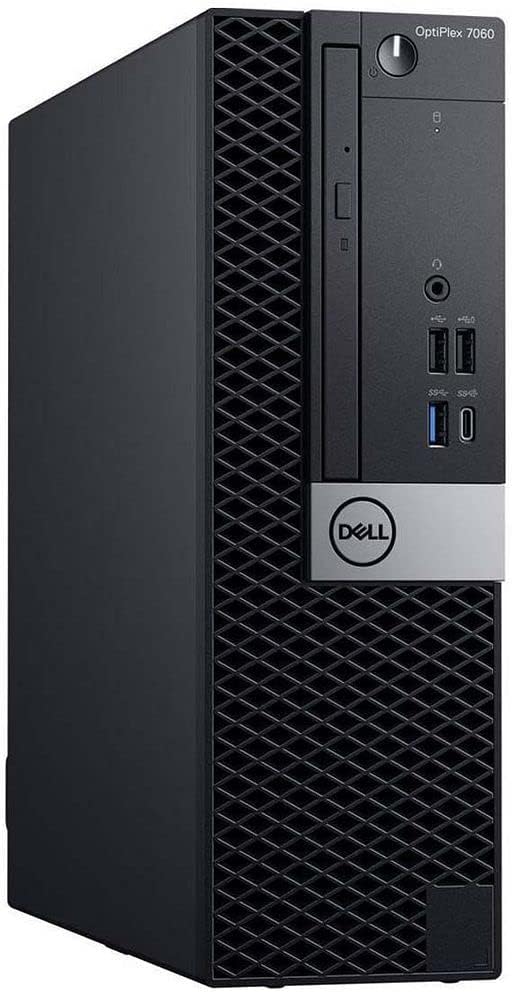
This is a complete desktop computer pre-configured with RAM and storage. It uses an Intel 8th Gen i7 processor suitable for office workloads. It comes with Windows 11 Pro and essential accessories for immediate use.
We may earn a commission when you buy through this link, at no additional cost to you.
The small form factor saves desk space while maintaining expandability. It includes 32GB RAM and a 512GB NVMe drive for fast boot and data access. Wireless peripherals are included out of the box.
CPU architecture is older so heavy rendering tasks may run slower than modern chips. Upgrade options are limited compared to tower cases. These trade-offs are acceptable for office and light workstation needs.
Perfect for businesses needing reliable ready-to-use desktops quickly. If you want a full PC setup without separate component assembly this unit is convenient.
Saves time with all essential parts and OS included in one purchase.
Small tower design fits tight spaces while supporting multiple monitors.
We may earn a commission when you buy through this link, at no additional cost to you.
Selecting the right CPU involves balancing core counts, clock speeds, and platform features for your specific workload.
More cores allow better parallel processing for rendering and data tasks. Workstations typically benefit from 8 cores or more depending on software optimization.
Prioritize higher core counts if you run multiple heavy applications simultaneously for productivity.
High clock speeds improve single-thread performance which matters for responsiveness. IPC gains mean more work per cycle even at lower speeds.
Look for models with high boost clocks for apps that rely on single-core speed.
Workstation CPUs often support multiple memory channels for greater bandwidth. Ensure compatibility with required RAM speeds like DDR5 or high DDR4.
Multi-channel memory configurations help reduce bottlenecks in data-heavy workflows.
More PCIe lanes enable more GPUs and storage drives without splitting speeds. Workstation classes provide more lanes than standard consumer parts.
Choose CPUs with sufficient lanes if you plan to expand storage or GPU setup.
Verify motherboard compatibility before buying since workstation sockets differ from consumer. Ensure the chipset supports your needed features like PCIe version.
Invest in a compatible board that supports future upgrades to protect your investment.
Higher TDP means more heat output requiring better cooling solutions. Ensure your case and cooler can handle the CPU's thermal demands.
Plan for adequate cooling to maintain performance during long work sessions.
Workstation platforms can be more expensive than consumer equivalents. Balance CPU costs with motherboard RAM cooling to stay within budget.
Consider total system cost not just CPU price to avoid unexpected expenses.
Some CPUs offer features like ECC memory support and security tools. These are useful for business reliability and data protection.
Select PRO or workstation models if enterprise features are important.
Ensure your motherboard BIOS is updated before installing the CPU to guarantee full feature support and stability. Check the manufacturer documentation for specific installation steps.
Apply thermal paste carefully and use a quality cooler to keep temperatures within safe limits during heavy workloads. Overheating can lead to reduced performance or hardware issues.
Keep your workstation clean from dust and ensure proper airflow in your case to prevent heat buildup over time. Regular cleaning helps maintain consistent performance.
Workstation CPUs offer higher core counts and more memory bandwidth to handle multi-tasking and rendering efficiently. They also often include professional features like ECC memory support and better manageability options.
Check your motherboard specifications to see which CPU sockets are supported. Workstation platforms like Threadripper use different sockets than consumer CPUs so verify compatibility before buying.
Yes high power CPUs generate more heat so use a quality air or liquid cooler designed for their TDP. Proper cooling ensures stable performance during long work sessions.
Many modern platforms allow CPU upgrades on the same socket but check the motherboard's supported list for future CPUs. This helps protect your investment as new chips release.
For general use six to eight cores are enough but rendering or engineering apps benefit from sixteen or more. Match core count to the most demanding software you use daily.
PRO versions offer better security manageability and support features that are useful in professional environments. They are optimized for reliability and continuous operation.
Our top picks like the AMD Ryzen Threadripper PRO 5955WX provide strong multi-threaded performance for demanding tasks. Budget options like the AMD Ryzen 5 9600X offer entry-level power for lighter workflows.
Focus on balancing core count and clock speed based on your most used applications. Consider platform costs and future upgrade paths when making your final decision.
Prices and availability change regularly so verify current listings before purchasing. Choosing the right CPU ensures your workstation meets your needs efficiently.