
MT-92H Light Meter
4.6Editor score
Split sensor design
Lux and foot candles
Bright backlit display
This guide compares the top ten analog light meters for photographers and cinematographers, highlighting accuracy and durability for studio and field work.
Finding the right analog light meter ensures precise exposure control without relying on digital screens. These devices offer reliability and simplicity for photographers who value tactile feedback and consistent performance in various lighting conditions.
We evaluated ten standout models based on accuracy, build quality, and ease of use. Our selection includes battery-free options and classic designs favored by industry professionals for decades of dependable service.
Each pick highlights key features and real-world performance to help you choose confidently. Prices and availability change frequently, so verify current listings before making your final purchase decision for your specific needs.
4.6Editor score

4.6Editor score
5.0Editor score
This comparison table outlines the core specifications of each top-rated analog light meter to help you identify the right tool for your specific lighting measurement requirements.

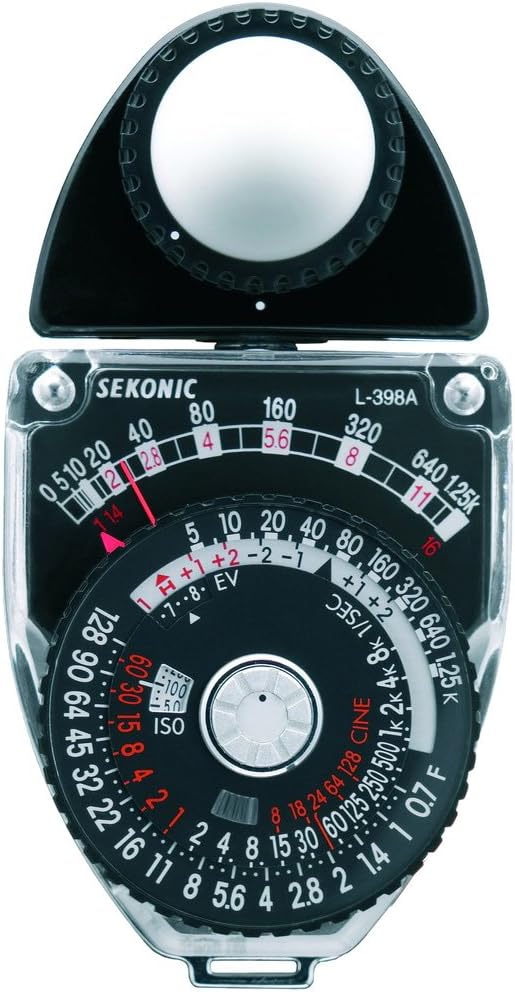


The Sekonic L-398A Studio Deluxe III stands out as the top analog light meter for professionals seeking reliability. With a rating of 4.6, it offers battery-free operation through an amorphous photocell, ensuring you never miss a shot due to dead power.
We may earn a commission when you buy through this link, at no additional cost to you.
Its full dial readout provides instant aperture and shutter speed combinations without navigating menus. The swivel head design allows precise positioning while keeping the display visible, making complex lighting setups manageable and efficient for any studio or field work.
While the price point is higher than digital alternatives, the durability and lack of battery dependency justify the investment. Some users may find the analog display requires adjustment if they are used to digital screens, but the accuracy remains consistent over time.
This meter is ideal for cinematographers and photographers who prioritize precision and longevity. If you value a tool that works reliably without frequent maintenance, the L-398A is the definitive choice for your lighting measurement needs.
The integrated amorphous photosensor generates power from ambient light, eliminating the need for batteries and ensuring dependable readings anytime.
The swivel head design allows you to angle the incident dome accurately while maintaining a clear view of the exposure dial.
We may earn a commission when you buy through this link, at no additional cost to you.
This digital illuminance meter offers exceptional value for those needing basic light measurement. With a rating of 4.4, it covers a massive range up to 200,000 Lux, making it suitable for various environments from offices to factories.
We may earn a commission when you buy through this link, at no additional cost to you.
The 4-digit color LCD screen ensures readability in different lighting conditions. It also measures ambient temperature, adding versatility for users who need environmental data alongside light intensity readings for their setups.
While it lacks the specialized features of analog meters for photography, it excels in general lux monitoring. The build quality is decent for the price, though it may not withstand heavy professional abuse as well as premium models.
If you need an affordable tool for home or office lighting checks, this is a solid choice. It provides reliable data without breaking the bank, making it ideal for casual users or those starting out in lighting design.
Measuring from 0 to 200,000 Lux allows for flexibility in various environments, from dim rooms to bright outdoor settings.
The built-in temperature measurement adds utility for users tracking environmental conditions alongside light intensity levels.
We may earn a commission when you buy through this link, at no additional cost to you.
The Sekonic L-398A is a favorite among cinematographers for its reliability and ease of use on set. Rated at 4.4, it provides accurate incident and reflected light readings essential for consistent exposure during video production.
We may earn a commission when you buy through this link, at no additional cost to you.
It includes a full accessory kit with a strap, case, Lumidisc, and Lumigrid, making it ready for immediate use. The 180-degree Lumisphere ensures precise measurement of 3-D objects, which is critical for capturing realistic lighting in motion pictures.
While it lacks digital connectivity, its analog simplicity ensures it works without distractions. Some may prefer modern features, but the robust build and essential functions make it a trusted tool for professionals focused on the craft.
If you are a filmmaker looking for a dependable, battery-free meter, this model delivers. It balances functionality and portability, allowing you to walk the set and check light levels efficiently without technical interruptions.
The included strap, case, and accessories like Lumidisc ensure you have everything needed for versatile lighting measurement scenarios.
Cinematographers favor this meter for its consistent performance and ability to handle complex lighting setups on active sets.
We may earn a commission when you buy through this link, at no additional cost to you.
The MT-92H Light Meter offers high-precision measurement at an accessible price point. With a rating of 4.6, it delivers accurate readings from 0 to 200,000 Lux, capturing subtle light changes quickly thanks to its fast refresh rates.
We may earn a commission when you buy through this link, at no additional cost to you.
Its innovative split-sensor design allows flexible positioning while maintaining measurement integrity. The ultra-bright backlit display ensures readability in any condition, making it practical for both dark studios and bright outdoor environments.
While it uses standard AAA batteries, the compact design keeps it portable. Some users may prefer analog tools, but the digital accuracy here provides clarity for precise illuminance needs in industrial or home setups.
If you need a reliable tool for environmental lighting checks, this meter excels. It combines versatility with affordability, allowing you to toggle between Lux and foot-candles effortlessly for diverse measurement standards.
With 500ms refresh rates, you can capture even subtle light changes quickly, ensuring accurate data for dynamic environments.
The separate probe maintains measurement integrity while allowing flexible positioning for hard-to-reach or angled light sources.
We may earn a commission when you buy through this link, at no additional cost to you.
The Dr.meter Digital Illuminance Light Meter is perfect for creating ideal growing environments for plants. With a rating of 4.5, it delivers lightning-fast readings twice per second, ensuring you get accurate light intensity data for your gardening needs.
We may earn a commission when you buy through this link, at no additional cost to you.
Effortlessly toggle between FC and LUX to measure light intensity in the unit that suits you best. The PEAK data recording feature instantly locks in the highest light pulse value, which is useful for measuring brief sources like lightning.
The low battery alert keeps you prepared by showing a symbol when power is low. While the interface is basic, the versatility for homes, offices, or factories makes it a practical tool for various daily measurement tasks.
If you need a reliable meter for plant lighting or general use, this model works well. It provides essential features without complexity, ensuring you can monitor sunlight intensity to create the perfect environment for your plants to thrive.
High-precision illuminance and fast response ensure you get accurate data for creating ideal growing environments for your plants.
The PEAK button allows instant locking of high-intensity values, useful for brief light sources like lightning or beams.
We may earn a commission when you buy through this link, at no additional cost to you.
The Extech LT300 Light Meter offers reliable measurements for workplace safety and studio use. With a rating of 4.3, it captures accurate Lux and foot-candle readings, making it perfect for ensuring safe and efficient lighting in various professional settings.
We may earn a commission when you buy through this link, at no additional cost to you.
Its large backlit LCD display ensures easy viewing in dim areas. The advanced functions like Min/Max and data hold help you log and compare readings effectively, aiding in smart lighting decisions for facility maintenance.
The high-performance cosine-corrected sensor provides accuracy across different lighting types. While it may require batteries, the portable and durable design makes it ideal for on-the-go inspections, whether managing energy use or photography setups.
If you need a tool for facility safety or studio checks, this model fits well. It combines user-friendly design with advanced functions, helping you stabilize readings with ease for consistent environmental monitoring.
Min/Max and data hold functions let you log and compare readings with ease, helping you make confident lighting decisions.
The cosine and color-corrected sensor provides accurate measurements in all conditions, from natural daylight to LED fixtures.
We may earn a commission when you buy through this link, at no additional cost to you.
The Gossen Luna Pro SBC is a classic ambient lightmeter favored by enthusiasts who value analog features. With a rating of 3.7, it offers incident and reflected readings, and its digital EV readout is easily transferred to a setting ring for quick access.
We may earn a commission when you buy through this link, at no additional cost to you.
Unique features include a clock with alarm, timer, and temperature readout, adding utility beyond basic light measurement. While it lacks modern connectivity, its design supports shutter speed and f-stop combinations visible at a glance.
The vintage build may appeal to those who prefer tactile interfaces over digital menus. Some users may find the rating lower due to older tech, but the unique feature set distinguishes it in niche applications.
If you appreciate classic metering tools with extra utility, this model is worth considering. It balances traditional analog feel with digital readouts, making it a distinct choice for photographers who enjoy detailed control.
Digital readout in EV is easily transferred to a setting ring where all shutter speed and f-stop combinations are readable.
Beyond light measurement, it includes a clock, alarm, timer, and temperature readout for broader utility.
We may earn a commission when you buy through this link, at no additional cost to you.
The Fluke 941 Light Meter is known for industrial-grade reliability and safety. With a rating of 4.8, it serves as an illuminance meter tester trusted by professionals for consistent performance in demanding environments.
We may earn a commission when you buy through this link, at no additional cost to you.
Its design prioritizes durability and accuracy, making it suitable for facilities where safety is paramount. The tool provides reliable readings without unnecessary complexity, focusing on delivering precise data for critical applications.
While it comes at a higher price, the brand reputation ensures long-term reliability. Some users may not need industrial features, but for those requiring certified accuracy, this model is a top choice.
If you need a dependable tool for professional testing, this meter delivers. It combines trusted performance with rugged build quality, ensuring you have a reliable partner for precise illuminance measurements.
Fluke brand quality ensures top reliability and durability, making it suitable for demanding industrial testing environments.
Its focus on safety and accuracy makes it a top choice for professionals who need certified data in critical applications.
We may earn a commission when you buy through this link, at no additional cost to you.
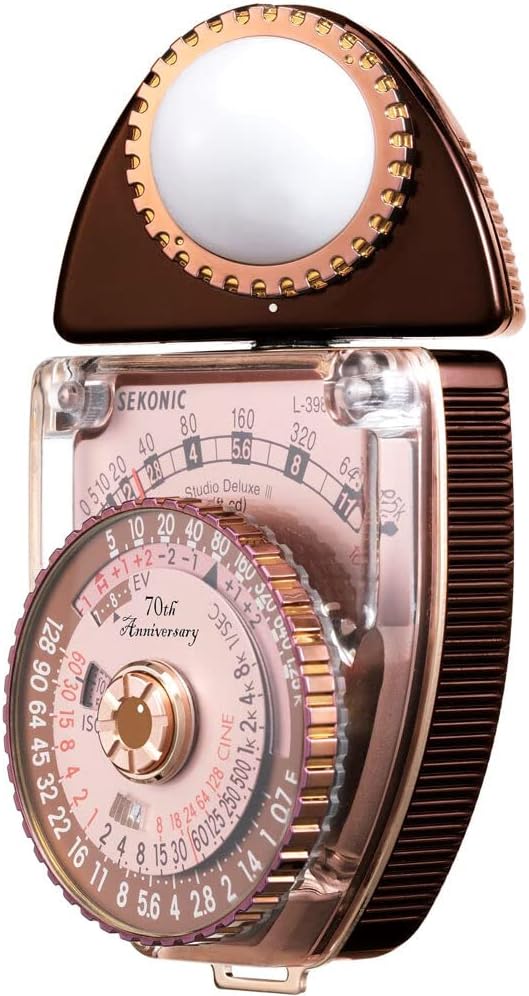
The Sekonic Studio Deluxe III 70th Anniversary Analog Light Meter is a premium collector's piece. With a perfect 5.0 rating, it offers instant reading of the full range of aperture and shutter combinations, ensuring exceptional performance for enthusiasts.
We may earn a commission when you buy through this link, at no additional cost to you.
As an anniversary edition, it features exclusive design elements that celebrate decades of legacy. Its build quality and precision match the top-tier expectations of the brand, making it a standout choice for professionals seeking the best.
The price point reflects its limited production status, but the value for enthusiasts is unmatched. Some may find it pricey, but the combination of reliability and exclusivity justifies the investment for serious users.
If you want the ultimate analog tool, this is it. It combines professional performance with unique design, delivering the best metering experience for those who appreciate quality and craftsmanship in their equipment.
As a 70th anniversary edition, it features exclusive design elements that honor decades of professional legacy and trust.
Its capability for instant reading of full aperture and shutter combinations ensures quick workflow for demanding users.
We may earn a commission when you buy through this link, at no additional cost to you.
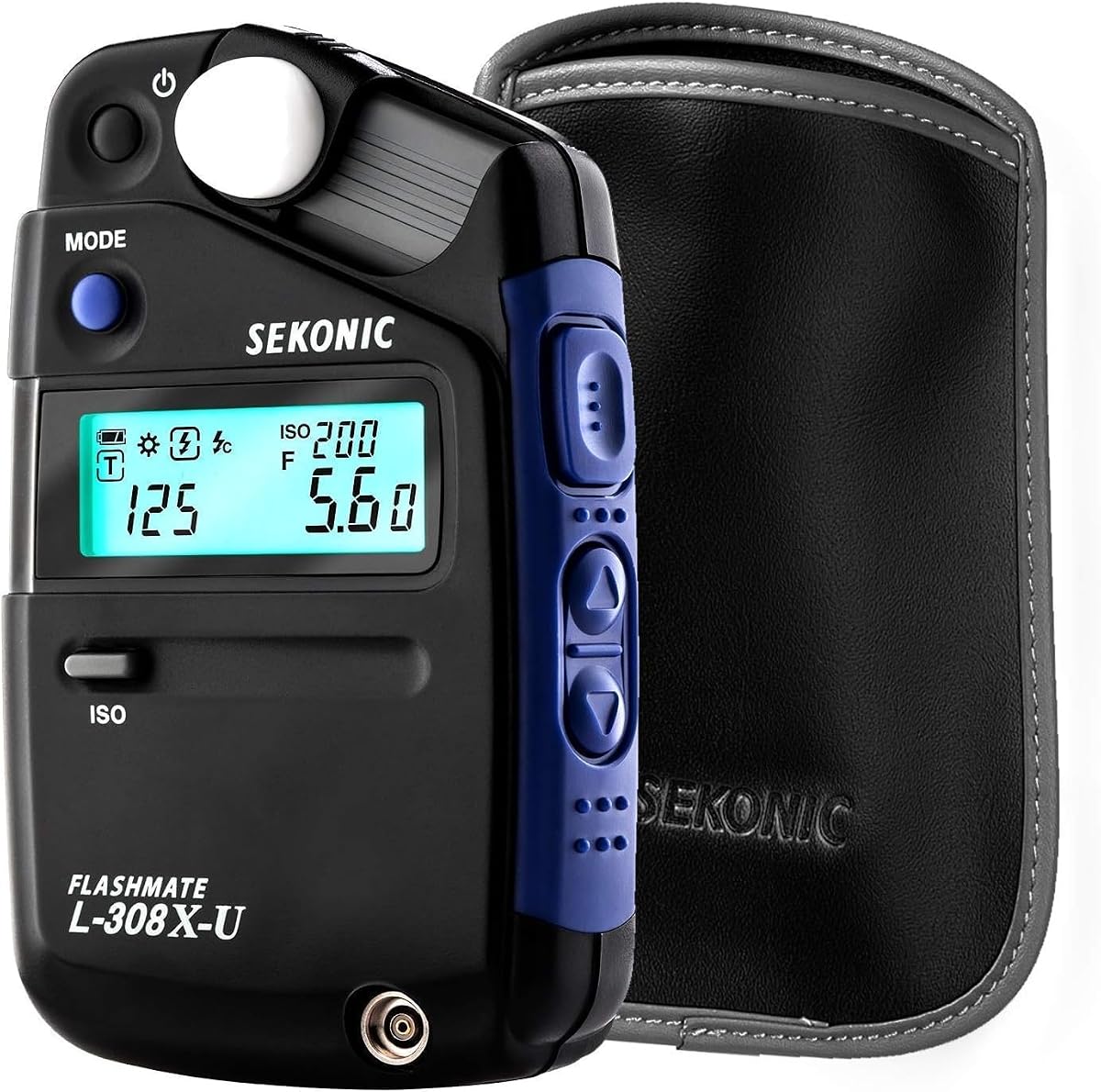
The Sekonic L-308X-U Flashmate is a compact digital meter designed for modern shooters. With a rating of 4.7, it offers accurate exposure readings down to a tenth-of-a-stop for both ambient and flash light readings in full-stop mode.
We may earn a commission when you buy through this link, at no additional cost to you.
It supports Photo, HD Cine, and Cine modes, catering to DSLR and mirrorless videographers. The LCD auto backlight ensures visibility, while the pocket-sized design makes it convenient to carry alongside your camera gear.
While it relies on battery power, the digital interface offers flexibility. Some users prefer analog, but this model bridges the gap with precise digital readouts and versatile frame rate options for cinema-grade cameras.
If you need a pocket-sized meter for diverse shooting needs, this model excels. It combines high accuracy with versatile modes, making it an ideal partner for photographers and videographers seeking reliable exposure control.
Designed for cinema-grade cameras, it allows users to select frame rates and shutter angles for precise exposure control.
Its compact design ensures it fits easily in your gear bag, keeping accurate readings accessible whenever you need them.
We may earn a commission when you buy through this link, at no additional cost to you.
Choosing the right light meter requires evaluating several critical factors to ensure compatibility with your photography or cinematography workflow.
Accuracy is paramount for consistent exposure. Look for meters with proven reliability, such as those with analog dials or calibrated digital sensors, to ensure you can trust every reading you take.
Prioritize models with high-precision sensors that offer minimal deviation across various lighting conditions.
Decide if you need incident, reflected, or both. Incident meters measure light falling on the subject, while reflected meters measure light bouncing off it. Many pros prefer incident for studio work.
Ensure your chosen model supports the mode you need most for your typical shooting environments.
Battery-free analog models offer independence, while digital ones need power. Consider your workflow: if you shoot remote locations often, a battery-free design might save you from missing shots.
Choose a battery type or design that aligns with your operational needs and maintenance preferences.
Analog dials provide tactile feedback, whereas digital screens offer numbers. Select a display type that allows for quick, clear readings in your typical lighting conditions without eye strain.
Check that the display remains visible in bright sunlight or low-light settings you often encounter.
Your tool should withstand the rigors of travel. Look for sturdy construction with protective cases or durable materials if you work in varied environments like studios or outdoors.
Invest in a model with a robust build that promises long-term reliability for daily use.
Many meters come with accessories like lumisphere or lumidisc. Ensure the kit matches your measurement needs so you can switch between incident and reflected modes easily.
Verify that all necessary attachments are provided to avoid extra purchases later.
Interface simplicity matters for efficiency. A clear dial or intuitive buttons help you adjust settings quickly without distracting from your subject.
Opt for a meter that feels comfortable in your hand and offers straightforward navigation.
Established brands often offer better support and calibration. Check reviews for reliability and service availability to ensure long-term satisfaction.
Stick with trusted manufacturers known for precision and professional-grade tools.
To measure light effectively, position the meter at your subject's location pointing toward the camera. For incident readings, use the dome; for reflected readings, aim the sensor at the subject area.
Keep your meter clean by wiping the sensor with a soft, lint-free cloth. Avoid exposure to extreme heat or moisture, which can degrade the accuracy of the photocell or internal components.
Store your meter in a protective case when not in use to prevent scratches. Regularly check for calibration errors by comparing readings with a trusted source to maintain precision.
Incident readings measure the light falling directly on the subject using a dome, offering consistent exposure. Reflected readings measure light bouncing off the subject, which can be affected by surface brightness or color.
Most analog meters can measure both ambient light and flash with the right settings. Ensure your model supports flash mode if you work with electronic flash or strobes regularly.
Professionals often prefer analog meters for their battery-free operation and durability. The physical dial provides quick visual feedback without needing power or screen adjustments.
Calibration requires comparing readings with a trusted standard. If discrepancies appear, consult the manufacturer or a service center, as most meters cannot be user-calibrated easily.
Yes, they remain relevant for their reliability and simplicity. They are especially valued in studios where battery-free operation and consistent performance are critical.
Accessories like lumisphere or lumidisc help capture light from different angles. They ensure you measure light accurately regardless of the subject shape or environment.
The Sekonic L-398A and MT-92H stand out as top choices for reliability and value. Each offers distinct advantages depending on whether you prioritize classic design or modern features.
Prioritize accuracy and durability when selecting your next tool. Understanding your specific needs, like battery-free use or flash support, ensures you choose the right meter.
Always verify current listings before purchase since prices and availability change. Choosing a trusted model helps you maintain professional standards in your photography and cinematography.