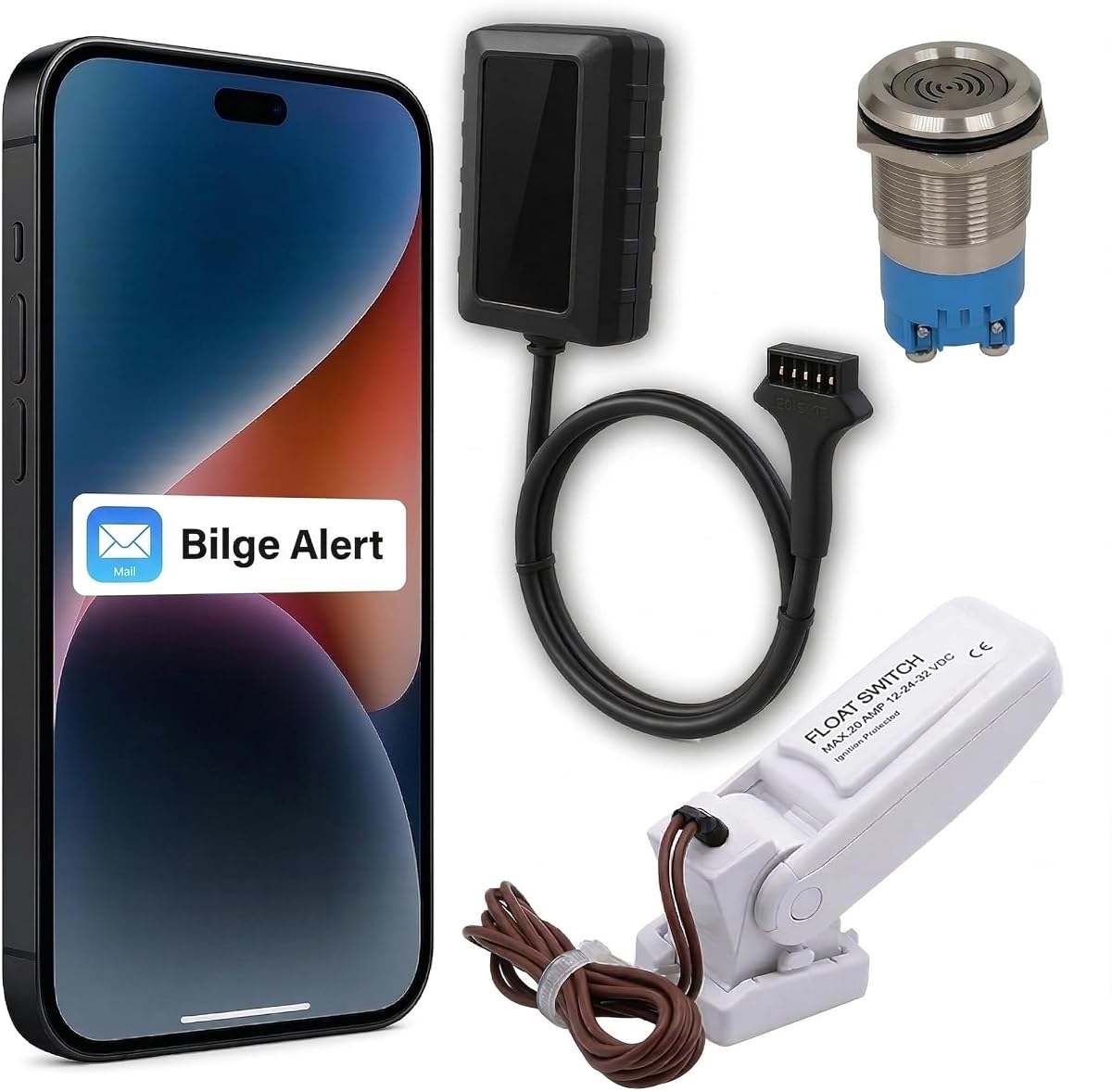
SPY SPOT GV57 Boat GPS Tracker & Bilge Alarm System
5.0Editor score
IP67 Waterproof Design
Bilge Water Detection
Geo-Fence Notifications
This guide compares the top rated alarm systems for boats including GPS trackers and bilge monitors to help you secure your vessel effectively.
Securing your vessel is critical for peace of mind while docked or in storage. A reliable alarm system for boats detects unauthorized access and alerts you instantly via phone or siren. Choosing the right model depends on your vessel size, power needs, and desired features like GPS or bilge monitoring.
We evaluated ten leading marine security solutions based on installation ease, sensor accuracy, and alert reliability. Our analysis covers standalone alarms, comprehensive hubs, and specialized tools like bilge monitors and deck locks. Each product offers distinct advantages for different boating lifestyles and security requirements.
Every pick highlights core capabilities, pros, cons, and ideal use cases to simplify your decision. You will find options ranging from simple vibration sensors to full IoT monitoring networks with cellular connectivity. Keep in mind that pricing and availability may change over time so check current listings before buying.
5.0Editor score

4.8Editor score

4.7Editor score
This side-by-side comparison reviews all ten products to highlight their unique strengths and limitations. We examine key specifications like connectivity type, power source, and sensor capabilities to help you identify the best fit for your specific boat and security needs.
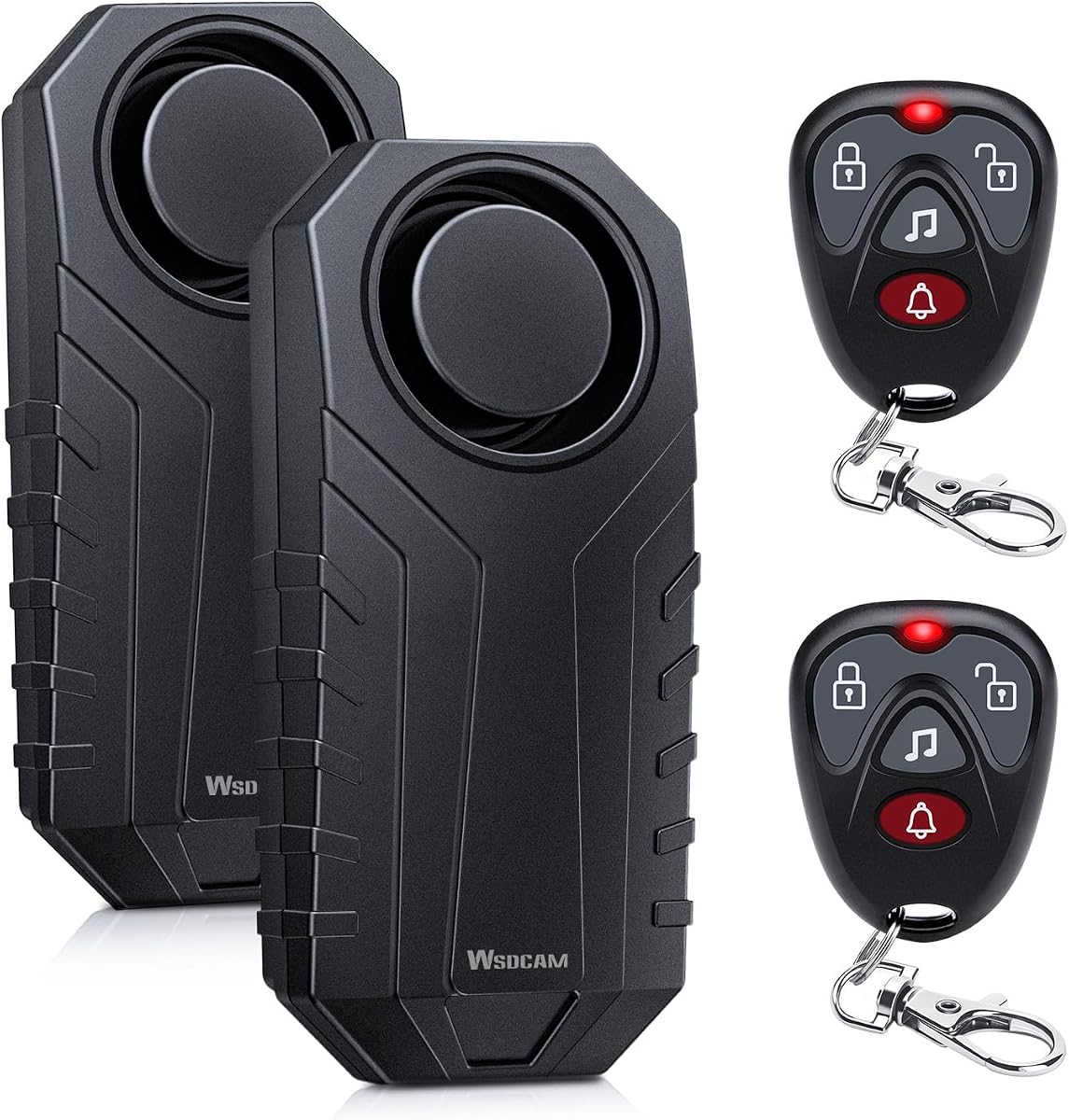




This versatile vibration sensor alarm offers a loud deterrent sound and adjustable sensitivity suitable for various applications including boats. It features an IP65 waterproof rating and includes two units for multi-point coverage on smaller vessels or trailers.
We may earn a commission when you buy through this link, at no additional cost to you.
The 113dB alarm sound is designed to scare off potential thieves effectively while the adjustable sensitivity allows you to fine-tune the detection threshold. Remote control functionality gives you a wireless range of up to 328 feet for convenient operation and vehicle location.
While not purpose-built for marine environments the waterproof rating and portable nature make it a viable budget option for securing small boats or gear. The only downsides are the need for battery replacement and the generic design that lacks marine-specific mounting hardware.
Ideal for boaters needing a quick low-cost deterrent for small vessels or equipment trailers this system provides strong value. It is particularly useful for temporary security needs where permanent installation is not feasible or desired.
The 113dB alarm is loud enough to attract attention and deter unauthorized access effectively.
Installation is simple with double-sided stickers and straps requiring no hardwiring or tools.
We may earn a commission when you buy through this link, at no additional cost to you.
The LocMarine Hub stands out as a complete monitoring solution offering real-time alerts for bilge water shore power battery and GPS tracking. It includes all necessary sensors and uses 4G LTE technology for reliable connectivity without needing a NMEA network.
We may earn a commission when you buy through this link, at no additional cost to you.
Its rugged USA-made construction ensures durability in harsh marine environments while the user-friendly app provides easy access to boat data. The system is insurance ready and includes free monitoring service for the first six months making it a premium choice for serious boaters.
Although it requires a subscription after the initial period the comprehensive feature set and reliability justify the investment for many owners. The main trade-off is the higher upfront cost compared to standalone alarms but the peace of mind is invaluable.
Best for boat owners seeking full vessel oversight with minimal setup this hub delivers professional-grade monitoring. It is especially valuable for boats stored at marinas or left unattended for extended periods where theft and environmental risks are high.
Includes sensors for bilge water entry speed and battery ensuring complete vessel security and health tracking.
4G LTE technology ensures alerts reach your phone quickly without requiring WiFi or complex network setups.
We may earn a commission when you buy through this link, at no additional cost to you.
The SPY SPOT GV57 combines GPS tracking with an automatic bilge water detection alarm in a single IP67 waterproof package. It provides real-time location monitoring and geo-fence notifications making it ideal for boats left unattended or in storage.
We may earn a commission when you buy through this link, at no additional cost to you.
Low power consumption supports extended battery life while installed on your vessel allowing for continuous monitoring without significant drain. The included float switch activates a dashboard buzzer upon detecting water giving immediate warning of potential flooding conditions.
While it requires professional marine installation to ensure proper wiring and sealing the comprehensive bundle offers excellent value for basic security needs. The trade-off is limited sensor variety compared to full hubs but it covers the two most critical risks theft and flooding.
This system is perfect for budget-conscious boat owners who need reliable tracking and bilge monitoring. It suits recreational boats yachts and fleet vessels alike providing essential security features without the complexity of larger systems.
Tracks boat location and detects rising bilge water simultaneously for critical security and safety monitoring.
IP67 rating ensures the device survives saltwater rain and humidity for reliable long-term performance.
We may earn a commission when you buy through this link, at no additional cost to you.
The Skyhawk Oversea Cellular Hub serves as a self-powered wireless gateway for a complete marine monitoring ecosystem. It operates on AA batteries for years and connects seamlessly to various Oversea sensors without requiring wiring or external power sources.
We may earn a commission when you buy through this link, at no additional cost to you.
Its drop-in installation process makes setup incredibly fast and versatile for any vessel type. The hub uses cellular IoT technology to forward alerts within seconds providing real-time insight into boat health unauthorized access and location status.
Although it connects to a broader sensor suite the hub itself is a standalone unit that works independently to track location and system health. The main drawback is the need to purchase additional sensors for full bilge and entry monitoring which adds to the cost.
Ideal for tech-savvy boaters who want a scalable wireless monitoring system this hub offers flexibility and ease of use. It is especially useful for boats where wiring is difficult or where a clean non-intrusive installation is preferred.
Uses replaceable AA batteries ensuring zero drain on your vessel battery for long-term monitoring.
Wirelessly links to all Oversea sensors for a unified monitoring experience through one app.
We may earn a commission when you buy through this link, at no additional cost to you.
The Murphy ST10AS-LM is a general-purpose remote alarm annunciator designed to alert crews of developing problems in engine bilge gear and auxiliary systems. It provides a centralized way to monitor up to ten distinct points via a remote interface.
We may earn a commission when you buy through this link, at no additional cost to you.
Typical applications include marine pilot houses where quick visual and audible alerts are crucial for safety. The Less Mount design means it offers flexibility for custom mounting solutions but requires installation without included brackets.
While it does not offer GPS or mobile alerts this wired annunciator provides reliable on-boat monitoring for professional or larger vessels. The main trade-off is the need for hardwiring and the lack of modern connectivity features found in newer hubs.
Best suited for commercial or large recreational boats needing robust on-board notification systems this unit delivers proven performance. It is a solid choice for crews who prioritize immediate local alerts over remote smartphone notifications.
Monitors up to ten critical systems giving crew full awareness of potential mechanical or safety issues.
Built for marine environments with rugged construction to withstand harsh conditions on vessel.
We may earn a commission when you buy through this link, at no additional cost to you.
The BoatSense system continuously monitors boat systems providing real-time alerts for high water low battery and malfunctions. It stands out with remote bilge pump control and automatic health tests keeping your system in top condition without physical inspection.
We may earn a commission when you buy through this link, at no additional cost to you.
Integrated GPS tracking ensures you always know where your vessel is while backup auto-float switches add an extra layer of security. The rugged waterproof design withstands life in the bilge and supports 12V systems up to 15A making it versatile for many boats.
While it needs a standard 12V connection and subscription service for full remote alerts the convenience and proactive monitoring features justify the investment. The trade-off is higher cost but the ability to control pumps remotely offers unique value.
Ideal for boaters who want hands-on control and proactive maintenance this smart system delivers comprehensive protection. It is especially useful for those who store boats long-term or want to manage bilge operations from anywhere.
Take full control of your bilge pump from your smartphone to address water issues immediately.
Regular automatic tests check pump and float switch health to prevent unexpected failures.
We may earn a commission when you buy through this link, at no additional cost to you.
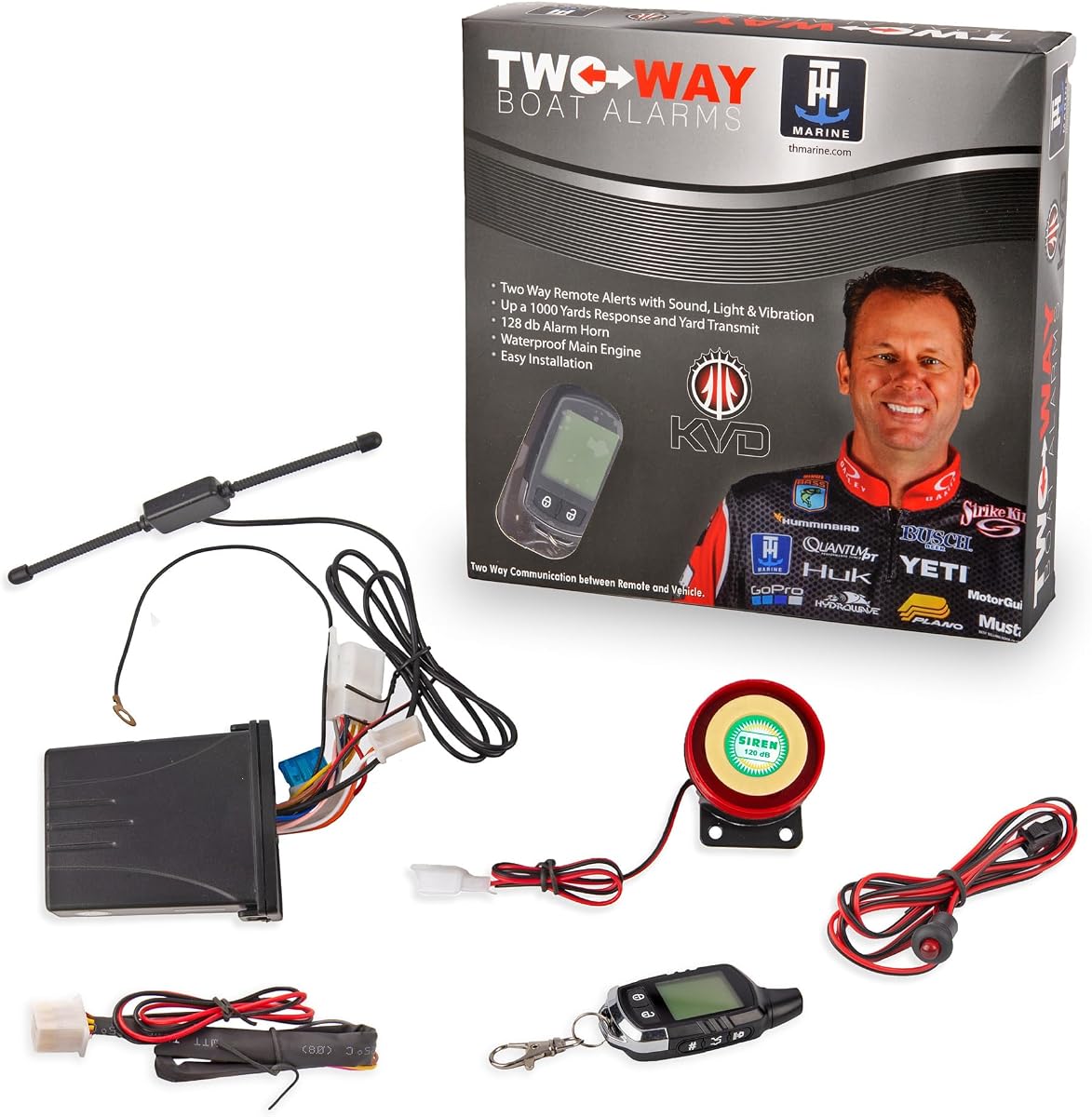
The T-H Marine 2-Way Alarm System provides long-range alerts up to 3000 yards away with a powerful 128 dB horn deterrent. It features an adjustable shock sensor and a two-way remote that vibrates flashes and beeps when triggered.
We may earn a commission when you buy through this link, at no additional cost to you.
Installation is designed for DIY with simple sensitivity controls and pairing instructions making it accessible for most boat owners. The system is built for marine use with a sealed engine module that withstands elements ensuring durability on water.
However the lower rating suggests potential reliability concerns compared to other options on this list. While the range and loud horn are advantageous the trade-off is consistency issues that may affect trust in the system over time.
Best for budget-conscious owners needing a loud deterrent with remote feedback this system offers basic protection. It suits small to medium boats where long-range alerting is a priority over advanced monitoring features.
Receive alerts up to 3000 yards away ensuring you stay informed even at a distance.
Remote vibrates and flashes to confirm alarm trigger for fast awareness even without visual contact.
We may earn a commission when you buy through this link, at no additional cost to you.
The Loc-R-Bar provides a physical security barrier across your boat deck with an integrated motion-activated alarm padlock. It adjusts to fit various layouts and ties multiple lockers together preventing thieves from simply popping a single hatch.
We may earn a commission when you buy through this link, at no additional cost to you.
Its rugged stainless steel construction works with included brackets to lock front deck compartments and rod lockers securely. The padlock adds an audio deterrent without needing wiring or external sensors making installation straightforward for most boat styles.
This system is ideal for anglers leaving boats at ramps or hotels to secure tackle and electronics. The trade-off is that it only protects external compartments and does not monitor internal access or environmental risks like bilge flooding.
Best for securing gear and deck access this bar offers a simple effective deterrent against theft. It is particularly useful for boats stored temporarily where quick removable security is preferable to permanent installations.
Adjustable bar ties multiple lockers together so one open hatch does not compromise whole system.
Integrated motion alarm on padlock provides audible warning without additional wiring or sensors.
We may earn a commission when you buy through this link, at no additional cost to you.
This wireless PIR motion sensor detects people or animals moving onboard your boat and sends alerts within seconds. It operates on AA batteries for years and uses long-range RF to communicate with the Oversea Hub for full remote alerting.
We may earn a commission when you buy through this link, at no additional cost to you.
With up to 16 feet of detection range the sensor secures cabins salons and outdoor walkways effectively. Its compact lightweight design and multiple mounting options make installation easy on any boat surface without needing boat power.
The main limitation is that it requires the Oversea Hub to function as it does not send alerts independently. This makes it an ideal supplemental tool for existing Oversea users rather than a standalone security solution.
Best for expanding an existing wireless monitoring network this sensor adds an extra layer of motion detection. It is particularly useful for boats with larger interior spaces or multiple entry points needing broader coverage.
Uses RF not Bluetooth to communicate reliably with Oversea Hub across larger vessel areas.
Uses replaceable AA batteries so no wiring or shore power is needed for operation.
We may earn a commission when you buy through this link, at no additional cost to you.
The Murphy ST10AS-F is a general-purpose remote alarm annunciator featuring a flange-mount design for secure installation. It alerts crew to problems in engine gear bilge and auxiliary plants with clear visual and audible warnings.
We may earn a commission when you buy through this link, at no additional cost to you.
Included flange mounting brackets simplify setup and ensure the unit stays securely in place in demanding marine environments. It operates on standard 12V systems and provides reliable centralized notification for ten critical system points on your vessel.
While it lacks smartphone connectivity or GPS features this annunciator delivers proven on-board monitoring for safety. The trade-off is the need for hardwiring and a fixed pilot house location limiting use to boats with dedicated crew areas.
Best for commercial or large vessels needing robust crew alert systems this unit offers dependable performance. It is an excellent choice for professional boaters prioritizing immediate on-boat warnings over remote notifications.
Included flange brackets ensure stable mounting for reliable performance in moving vessel conditions.
Ten distinct points provide clear visual feedback for quick identification of developing issues.
We may earn a commission when you buy through this link, at no additional cost to you.
Choosing the right alarm system for your boat requires understanding your specific security needs and vessel constraints. This guide covers the essential factors to consider before purchasing a marine security solution.
Most modern systems use cellular or WiFi connectivity to send alerts to your smartphone. Cellular hubs like LocMarine or Oversea offer the most reliable coverage even at sea whereas WiFi dependent models require shore power or hotspots. Evaluate your typical dock or storage location to ensure the system can transmit alerts consistently without relying on weak signals.
Prioritize cellular technology for remote docks or seasonal storage to guarantee alerts reach you quickly.
Determine which areas of your boat need monitoring. Essential sensors include bilge water detectors and entry alarms for hatch or door access. Advanced systems also track motion GPS location and battery voltage. Consider how many sensors are included versus how many you must purchase separately for full coverage.
Ensure your selected system supports enough sensors to cover all critical entry points and bilge compartments.
Some units draw power directly from your boat battery while others use internal batteries for installation flexibility. Internal battery powered hubs avoid draining your vessel battery but require periodic replacement. Decide if you need a self-contained unit for temporary setups or a hardwired solution for permanent installation.
Select self-powered options if you want to avoid draining your main battery or need a portable solution.
DIY friendly systems use wireless sensors and double-sided tape for quick setup without tools. Hardwired units or professional grade annunciators may require licensed marine technicians for proper sealing and connections. Consider your comfort level with boat wiring and whether you need professional support for warranty or insurance requirements.
Opt for drop-in wireless hubs if you prefer a simple tool-free installation process without technical skills.
Alerts may come through smartphone push notifications SMS email or onboard sirens and lights. Systems offering multiple alert channels ensure you receive warnings even if one method fails. Check if the device includes a local buzzer or horn for immediate crew awareness in addition to remote phone alerts.
Choose a system with both remote phone alerts and local audible alarms for maximum reliability and awareness.
Marine environments expose electronics to salt spray humidity and physical impact so waterproof ratings are critical. Look for IP67 or higher ratings ensuring protection against water immersion and harsh weather. Ruggedized units built in the USA or with marine-grade construction are more likely to survive long-term exposure.
Always verify the device has an IP67 or higher rating to withstand constant exposure to moisture and salt.
Many advanced monitoring hubs include free service for six months but require paid plans afterward for full features. Review the monthly or annual costs associated with cellular data and app access before committing. Some budget trackers have lower fees but fewer features while premium hubs offer broader monitoring with higher recurring costs.
Factor in long-term subscription fees when comparing total ownership costs between different alarm systems.
Some marine insurance policies require certified security systems for coverage or discounts. Check if your chosen device meets insurance standards such as having GPS tracking or documented monitoring service. Systems labeled insurance ready provide paperwork needed to file claims or prove security measures in case of theft.
Verify insurance compatibility before purchase to ensure you meet any policy requirements for coverage or discounts.
Start by reading the manufacturer manual to understand specific pairing and configuration steps. Most systems require syncing sensors to the hub via the dedicated app and testing alerts before use. Ensure all components are properly charged or have fresh batteries installed before final installation to avoid early failures.
Mount sensors and hubs in protected areas away from direct spray if possible to extend lifespan. Use marine-grade sealants around wiring holes to prevent water intrusion that could damage electronics. Regularly test alarm triggers by simulating entry or bilge water to confirm all alerts function correctly.
Schedule monthly checks of battery levels and signal strength for cellular or WiFi connections. Replace batteries immediately if the app reports low power and update firmware when available for security patches. Keep a record of all maintenance and tests to prove system reliability for insurance or resale purposes.
Many modern wireless systems do not require drilling as they use adhesive pads or magnetic mounts. Hubs and sensors can often be strapped or taped to existing structures without permanent changes. However hardwired units or traditional annunciators may require professional drilling for wiring. Check product specs before buying to ensure the installation method suits your needs.
Systems powered by internal batteries or those designed for low drain will not deplete your main vessel battery. Self-powered hubs operate on replaceable AA batteries and avoid drawing current from your boat. Hardwired units typically draw very little power but may need periodic checks during long storage. Opt for self-powered designs if battery conservation is a priority.
Cellular enabled systems allow you to receive alerts anywhere with phone signal making them ideal for remote storage. WiFi dependent alarms only work when your boat is connected to a local network or hotspot. Wireless remotes typically offer ranges up to a few thousand yards but are limited to your physical proximity. Choose cellular for global remote monitoring.
Most high quality boat alarms feature sirens over 120 dB which are loud enough to attract attention and scare off intruders. The sudden noise can draw attention from nearby neighbors or marina staff effectively. However deterrence also depends on visibility and security measures like locks or physical barriers. Combine alarms with visible deterrents for best results.
Some app based systems allow you to manage multiple vessels by adding additional hubs or sensors under one account. This feature is common with cellular platforms like LocMarine that support fleet or multi-boat tracking. Check if the app supports multiple devices before purchasing if you own more than one boat. Additional hubs may require separate subscriptions.
Most systems store alerts locally and send them once connectivity is restored so you will still receive notifications. Some hubs offer backup WiFi or satellite options but these are less common and more expensive. Ensure your system has local indicators like lights or sirens in case remote alerts fail temporarily. Test alerts in areas with poor signal beforehand.
DIY friendly wireless systems are designed for easy installation without tools or licensed technicians. Hardwired systems or complex bilge monitors may require professional installation to ensure proper sealing and electrical safety. Check warranty terms as some manufacturers require certified setup to keep the warranty valid. Review the complexity of the system before attempting self-installation.
Most systems include a reset function through the app or a physical button on the hub. You may need to silence the alarm locally before resetting the trigger status via smartphone. Review sensitivity settings if false alarms occur frequently to avoid unnecessary notifications. Consult the manual for specific reset steps for your model.
We reviewed ten top rated alarm systems for boats highlighting options ranging from simple trackers to full IoT monitoring hubs. The LocMarine Hub leads for comprehensive coverage while the SPY SPOT GV57 offers excellent value for basic needs. Each system serves different boating lifestyles depending on vessel size and storage habits.
Prioritize cellular connectivity and waterproof durability for long-term reliability in marine conditions. Ensure the alarm supports enough sensors for your bilge entry and motion detection needs before committing. Consider subscription costs and installation complexity to avoid hidden expenses later after purchase.
Remember that prices and features may change so always verify current listings and support terms before buying. Check reviews from other boaters with similar vessels to confirm real-world performance matches expectations. Invest in a system that balances security and ease of use to protect your boat effectively.