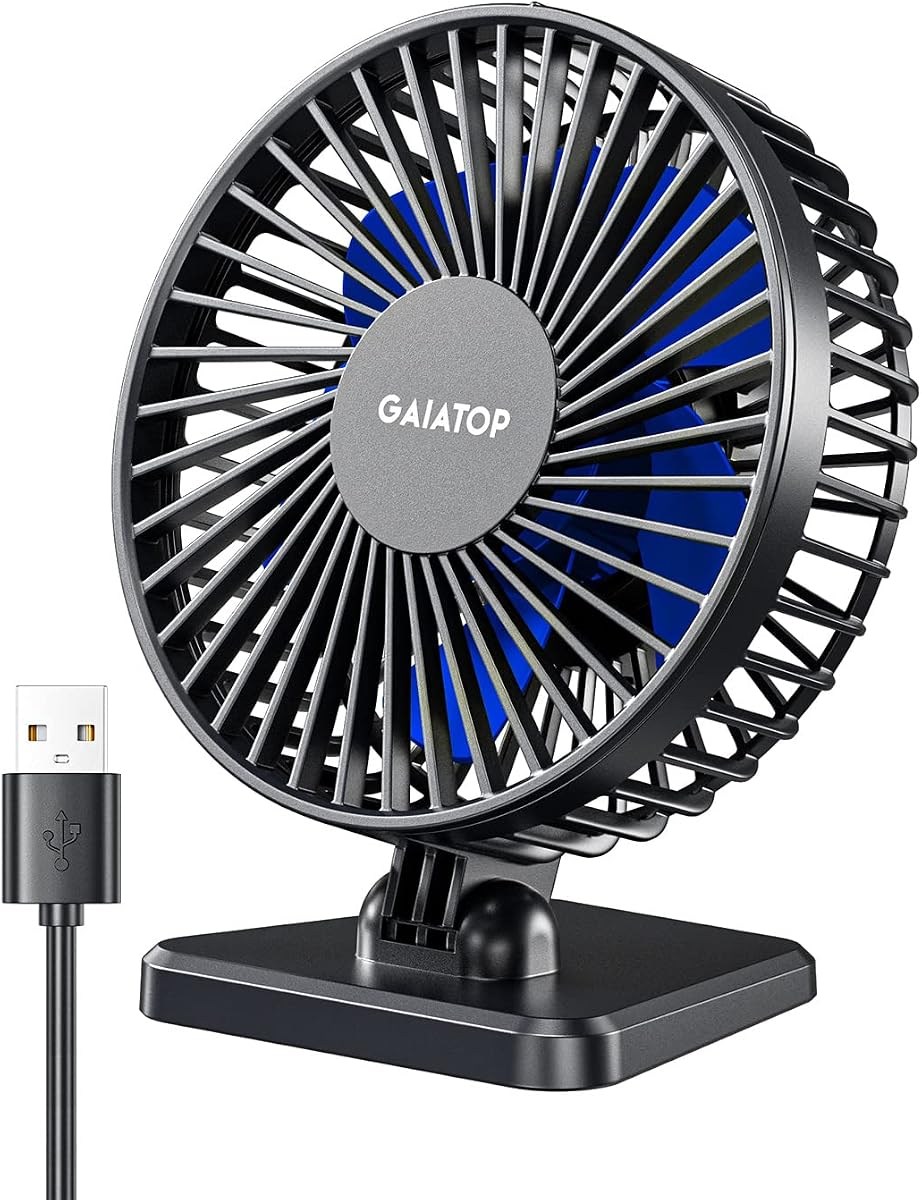
Gaiatop USB Desk Fan
4.5Editor score
Under eight ounces weight
Quiet under 50dB
USB powered option
Finding a low wattage fan helps you stay cool without driving up your electricity bill. These compact devices move air efficiently using minimal power for homes and offices.
We compared ten top rated models based on noise levels, airflow strength, portability, and power consumption. Each pick offers unique features for different cooling needs.
Every review highlights key specs and real world performance notes. Prices and availability can change quickly, so check current listings before you buy.
4.5Editor score

4.6Editor score

4.4Editor score
As an Amazon Associate we earn from qualifying purchases.
This side by side comparison lists all ten models with key specs and ratings. Find the right balance of power and efficiency for your space.
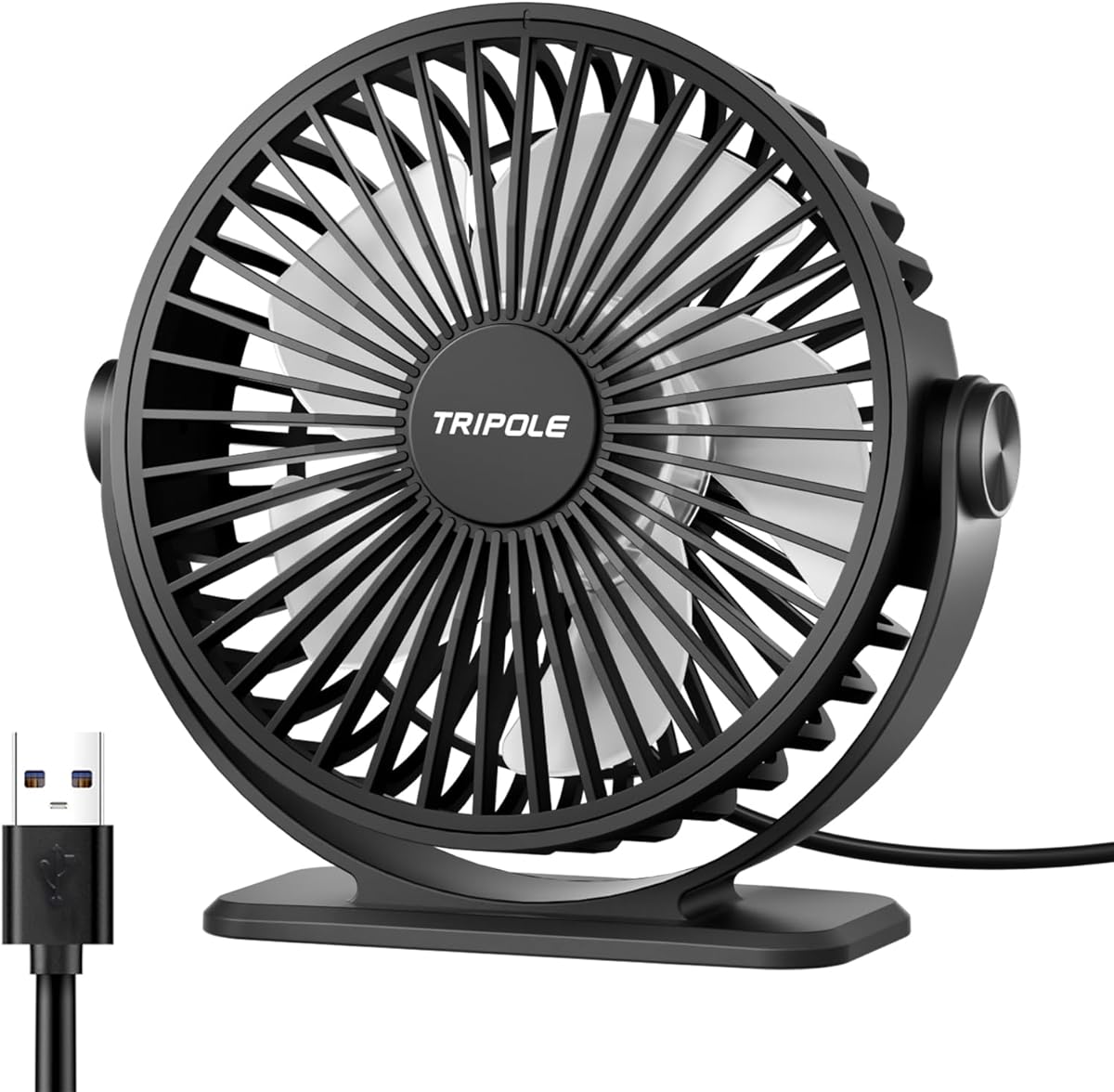

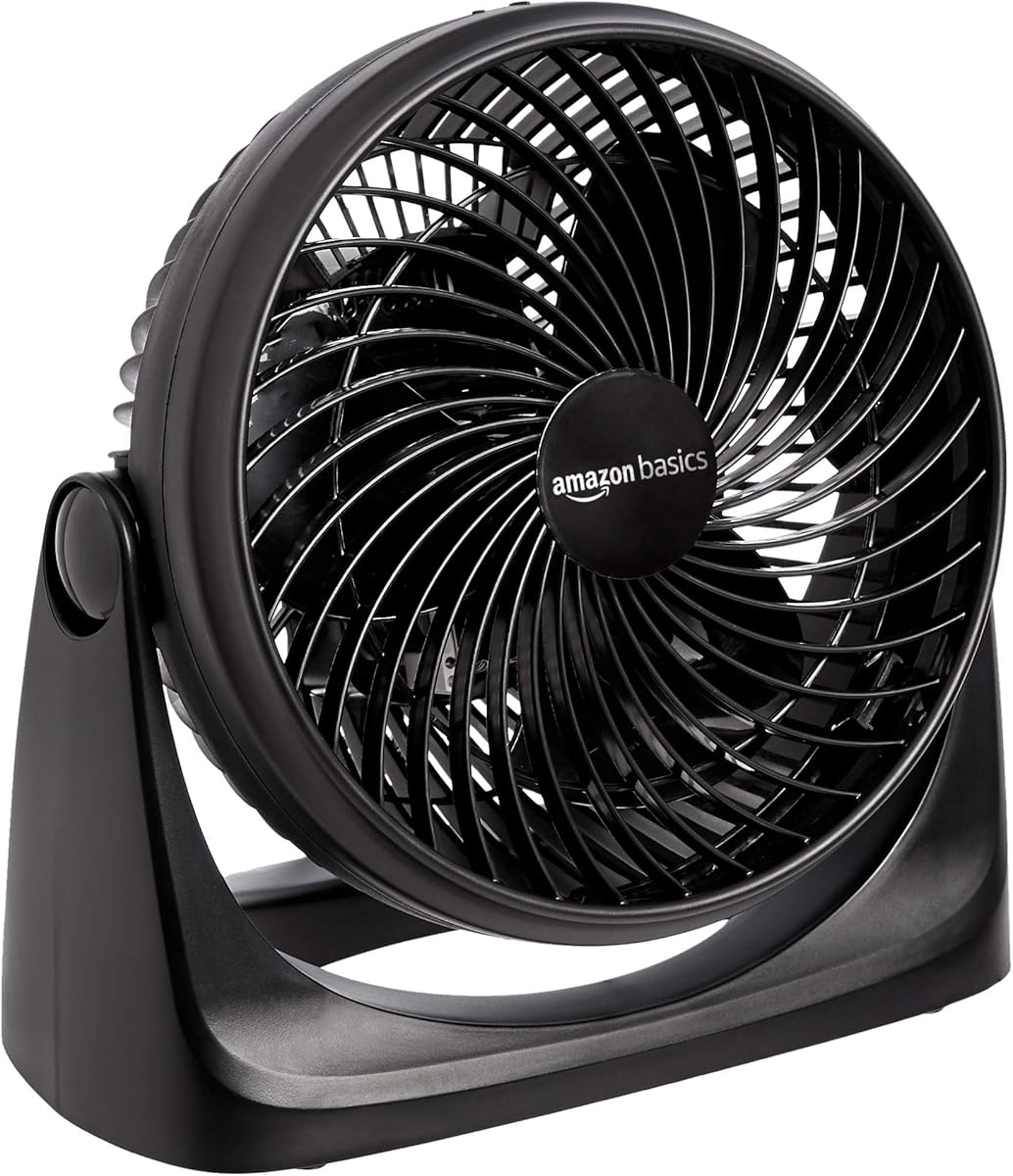
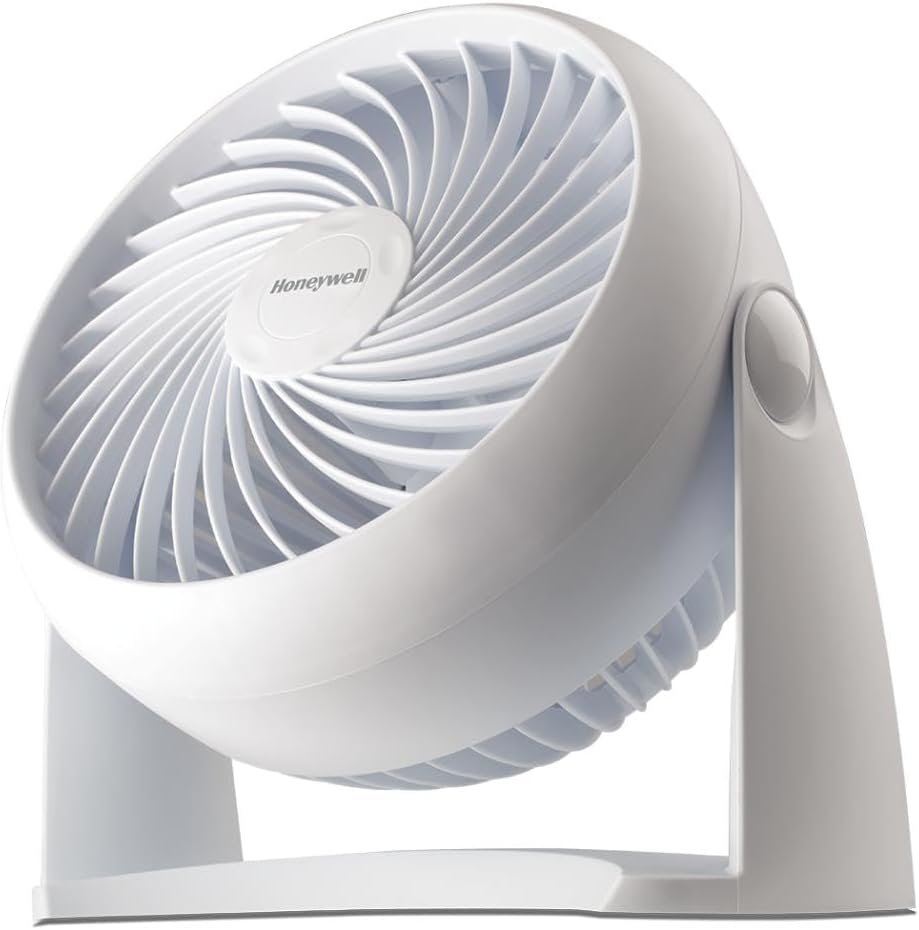
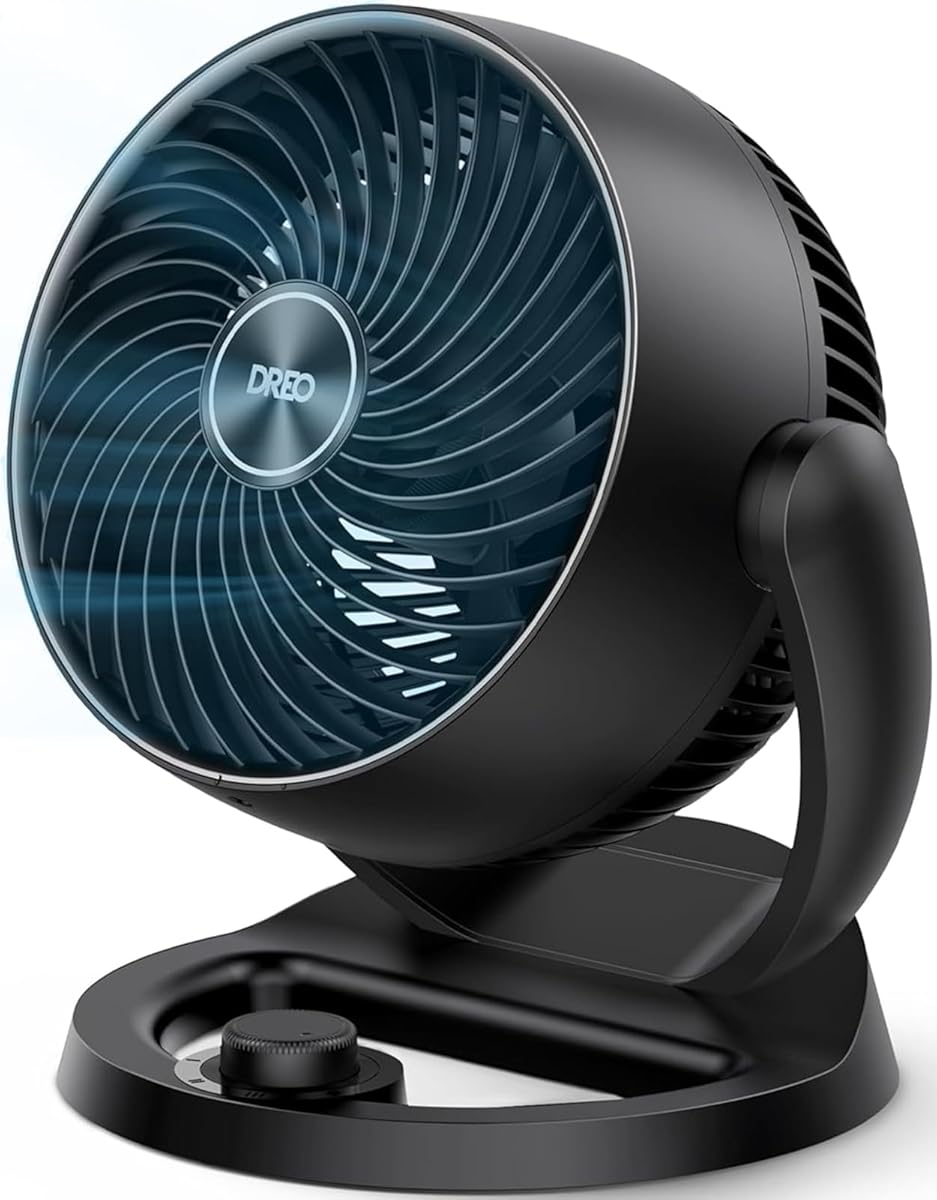


The Honeywell TurboForce Air Circulator stands out as a top pick for small to medium rooms. It delivers strong airflow while staying quiet enough for desks or nightstands.
We may earn a commission when you buy through this link, at no additional cost to you.
Its turbo design maximizes air movement so you feel the power even from twenty five feet away. The nine zero degree pivoting head lets you direct cooling exactly where needed.
Trade-offs include the lack of oscillation and a fixed power cord. These are minor for a fan this compact that focuses on pure circulation power.
Buyers seeking a reliable personal fan with low power use should choose this model. It balances performance and noise well for home or office use.
The aerodynamic turbo design pushes air further than standard fans without needing high wattage.
Quieter than many comparable fans, making it suitable for rest or focus areas.
We may earn a commission when you buy through this link, at no additional cost to you.
This mini fan is perfect for tight spaces like laptops or nightstands. Its USB port makes it easy to power from banks or chargers while traveling.
We may earn a commission when you buy through this link, at no additional cost to you.
The wide base with silicone pads reduces vibration and noise during operation. You can rotate the head three hundred sixty degrees to face any direction.
Limitations include dependency on a USB outlet and limited range. It is best for personal cooling rather than room circulation.
Travelers or remote workers need a lightweight fan should pick this one. It offers convenience and quiet operation at a low cost.
USB powered design means no need for wall outlets, ideal for on the go use.
Wide base and silicone pads keep the unit steady on smooth surfaces.
We may earn a commission when you buy through this link, at no additional cost to you.
Weighing less than eight ounces, this fan is easy to carry anywhere. It runs quietly with noise below fifty decibels even at high speeds.
We may earn a commission when you buy through this link, at no additional cost to you.
Compatible with PCs and chargers, it offers flexibility for home or car use. Three speeds let you choose airflow without draining power.
The vertical tilt is limited to thirty degrees and build is simple. These do not hinder its role as a cheap personal cooler.
Students or budget conscious buyers wanting quiet cooling should consider this model. It delivers solid performance for minimal investment.
Its light weight makes it easy to pack for trips or move around rooms.
Noise stays low enough for study or rest without distraction.
We may earn a commission when you buy through this link, at no additional cost to you.
This circulator uses turbine airflow to move air across sixty feet quickly. It reaches full room circulation in minutes thanks to its wind tunnel design.
We may earn a commission when you buy through this link, at no additional cost to you.
Noise drops to just twenty decibels so it stays unobtrusive during sleep. The adjustable tilt allows vertical direction from minus thirty to ninety degrees.
It costs more than small fans and takes up some space. These trade-offs are worth it for whole room cooling power.
People with larger rooms who want quiet performance should buy this fan. It bridges the gap between desk and tower fans.
Turbine mechanics reduce noise while maintaining strong airflow for comfort.
Wide vertical range lets you target airflow from floor to ceiling.
We may earn a commission when you buy through this link, at no additional cost to you.
At thirty five watts this fan balances efficiency with steady airflow. It fits on most tables and weighs only three pounds for easy movement.
We may earn a commission when you buy through this link, at no additional cost to you.
The back mounted knob offers three speeds and ninety degree tilt control. Seven inch blades create consistent air without excess noise.
It lacks advanced features like remote control or oscillation. For basic cooling needs these are acceptable compromises.
Buyers wanting a straightforward, efficient fan for daily use should choose this. It delivers reliable performance at a fair cost.
Thirty five watt rating ensures low power use while keeping rooms cool.
Light weight allows quick relocation between rooms as needed.
We may earn a commission when you buy through this link, at no additional cost to you.
This white model mirrors the black version with strong turbo airflow. It saves energy by helping AC units run less often.
We may earn a commission when you buy through this link, at no additional cost to you.
The pivoting head and three speeds give flexible control over comfort. It stays quiet enough for bedrooms or offices.
Limited range and cord length remain minor issues. These do not reduce its effectiveness as a personal cooler.
Those wanting a simple reliable quiet fan should pick this unit. It combines power and low power use well.
Using this fan reduces AC reliance to lower energy bills.
Noise levels stay low for undisturbed rest or work.
We may earn a commission when you buy through this link, at no additional cost to you.
At only seven point five watts this tower fan is extremely efficient. Its DC motor creates strong focused breeze without high energy draw.
We may earn a commission when you buy through this link, at no additional cost to you.
Multi angle oscillation and five speeds plus turbo give precise control. Noise stays under forty three decibels for peaceful sleep.
The slim build may take vertical space. Price is higher but justified by efficiency and build quality.
Buyers seeking maximum efficiency with modern features should choose this fan. It suits bedrooms or living spaces well.
Seven point five watts rating ensures minimal energy impact.
Upgraded motor keeps noise low across all speed settings.
We may earn a commission when you buy through this link, at no additional cost to you.
WingBoost technology pushes air up to seventy feet for full room coverage. Bionic design reduces noise to twenty five decibels for comfort.
We may earn a commission when you buy through this link, at no additional cost to you.
Deep pitched blades increase efficiency so power use stays low. You can hang it on walls or move it between rooms easily.
The larger size and cost may deter budget buyers. For whole room circulation these are worth the trade-off.
Those needing strong airflow across big rooms should pick this fan. It balances reach, quiet, and efficiency well.
Seventy foot airflow covers spaces most desk fans cannot reach.
Quiet enough for nighttime or office use without distraction.
We may earn a commission when you buy through this link, at no additional cost to you.
This rechargeable fan offers one hundred speed levels for exact cooling. Its turbo boost circulates air fast for rapid relief.
We may earn a commission when you buy through this link, at no additional cost to you.
Battery lasts up to eight and a half hours per charge. An LED screen shows real-time status and speed levels.
You must recharge and it is heavier than corded models. These are minor limits for portability.
Outdoor enthusiasts or remote workers need power free cooling should choose this. It gives flexibility without constant outlet access.
Over eight hours of runtime supports all-day portable use.
One hundred speed options allow exact airflow tuning.
We may earn a commission when you buy through this link, at no additional cost to you.
Oscillation helps spread air across the room rather than one spot. Four power and sound levels let you balance cooling with noise.
We may earn a commission when you buy through this link, at no additional cost to you.
Auto shut-off timer adds convenience for sleep without staying on all night. The slim design fits well on nightstands.
It takes more space than compact fans and costs more. These are acceptable for added features.
People needing oscillation and quiet sleep fans should pick this model. It delivers comfort and control for bedrooms.
Spreading air wider helps cool the whole area evenly.
Shut-off timer saves energy and prevents overnight overuse.
We may earn a commission when you buy through this link, at no additional cost to you.
Choosing the right low wattage fan depends on your space size and noise needs. These factors help you find a model that fits your budget and usage.
Look for wattage under fifty watts for true energy savings. Some models use only seven point five watts while still moving air.
Lower wattage reduces your electricity bill without sacrificing comfort.
Quiet fans range from twenty to fifty decibels. Choose lower numbers for bedrooms or quiet offices.
Noise above fifty decibels can distract during sleep or focus.
Check how far air travels. Some units push air to seventy feet while others cover ten.
Match range to room size to avoid wasted power.
Consider weight and power source. USB or battery fans move easily, while heavier models stay put.
Portable fans suit travelers or small spaces.
Three speeds give basics, but ten plus offer fine tuning. Higher levels help match airflow to temperature.
More settings improve comfort and efficiency.
Pivoting heads, oscillation, or wall mounts add versatility. Choose features that fit your setup.
Extra options expand where you can use the fan.
Check blade material and build. Plastic grilles reduce noise but may wear faster.
Durable fans last longer for daily use.
Prices range from eight to fifty dollars. Higher costs bring extra features or premium build.
Set a limit and compare based on needs.
Place your fan in a central spot to distribute air evenly. Avoid blocking vents or placing near walls for best results.
Clean dust from blades and grilles monthly using a soft cloth. This maintains airflow and reduces noise over time.
Adjust speed settings based on room temperature. Use lower speeds for steady cooling to save energy.
Yes, many models operate between twenty and forty decibels. This range is low enough for sleep without noise. Look for units with noise ratings under fifty decibels.
Most use between seven and fifty watts per hour. Running a thirty five watt fan all day costs very little. Compare wattage to see savings.
Some models have built-in shut-off timers. Others pair with smart plugs for scheduling. This adds convenience and saves energy when not needed.
Most USB powered fans work with standard power banks. Ensure your bank provides five volt output. This keeps them running without outlets.
Monthly cleaning prevents dust buildup. Use a damp cloth or vacuum to remove dirt. This keeps airflow strong and noise low.
Compact fans suit small spaces up to ten feet. Circulators handle larger rooms if placed strategically. Match range to your space size.
Our top picks cover different needs from budget to premium. The Honeywell TurboForce leads with balance of power and quiet.
Prioritize wattage and noise for long term savings. Choose models that match your room size and power source.
Check current prices and availability before buying. These factors ensure you get the best value for your space.