
Lenovo Business Laptop Linux Mint
4.6Editor score
Intel Core i5-1335U CPU
Linux Mint Cinnamon OS
16GB RAM and Fast Charging
Finding the right laptop for Linux can be challenging due to hardware compatibility and driver support. This guide highlights machines that run Ubuntu, Mint, or other distros smoothly without extra tinkering.
We evaluated each model based on processor power, memory capacity, storage speed, and port selection. Our analysis focuses on devices that support open-source software and offer reliable performance for work.
Each pick includes key specs, pros, cons, and detailed insights to help you decide. Prices and availability change frequently, so verify current details before purchasing your next Linux machine.
4.6Editor score

4.3Editor score
5.0Editor score
As an Amazon Associate we earn from qualifying purchases.
This comparison table lists all ten featured laptops side by side. Review the specifications to find the perfect match for your Linux workflow and budget needs today.




The Lenovo IdeaPad Slim 3 arrives with Ubuntu Linux pre-installed, making it ready for open-source workflows immediately. It holds a 4.3 rating and stands out for its balance of power and affordability.
We may earn a commission when you buy through this link, at no additional cost to you.
Its AMD Ryzen 7 5825U processor delivers smooth multitasking with 8 cores. The 16GB RAM handles multiple apps well, and the bundle adds a stylus and portable SSD for extra utility.
While the display is sharp, it lacks top-tier brightness for sunny environments. The lack of a dedicated GPU limits heavy gaming, but it remains robust for daily Linux tasks.
This laptop is ideal for developers and students needing reliable hardware without driver headaches. Its ready-to-use OS and bundled accessories make it a top pick for 2026.
Ubuntu Linux is pre-installed, ensuring immediate compatibility with open-source tools and customizations without extra setup steps.
Military-grade durability and slim profile make it reliable for travel, while the low blue light screen reduces eye strain during long sessions.
We may earn a commission when you buy through this link, at no additional cost to you.
This business-focused laptop runs Linux Mint Cinnamon out of the box. It earns a high 4.6 rating due to its reliable Intel Core i5-1335U processor and solid build quality.
We may earn a commission when you buy through this link, at no additional cost to you.
The 16GB RAM ensures smooth daily performance, while fast charging keeps productivity high during travel. The full keyboard with numberpad aids data entry and coding efficiency.
Storage is limited to 256GB, which may require cloud or external drive solutions. Graphics are integrated, so it is best suited for office and development work.
For budget-conscious users prioritizing stability and speed, this device offers excellent value. It is perfect for small businesses needing efficient Linux workstations.
Linux Mint Cinnamon provides a familiar interface for Windows users transitioning to open-source environments with minimal learning curves.
Features like privacy shutters and fast charging cater to professionals who need security and mobility during busy workdays.
We may earn a commission when you buy through this link, at no additional cost to you.
This variant of the IdeaPad Slim 3 offers significant storage with 1TB SSD capacity. It maintains the strong Ryzen 7 5825U processor and Ubuntu OS found in other models.
We may earn a commission when you buy through this link, at no additional cost to you.
The inclusion of a stylus and external SSD makes it great for content creators needing extra space. The touchscreen enhances navigation for specific Linux interface interactions.
It is slightly pricier than the base model, but the storage upgrade justifies the cost for users with large file libraries. Performance remains consistent across daily tasks.
Developers working with large datasets will appreciate the 1TB space. This model balances premium features with Linux readiness for demanding workflows.
The 1TB SSD allows for extensive local project storage without relying on external drives or cloud subscriptions immediately.
A touchscreen paired with a stylus enables natural input for diagrams or annotations, useful for design-oriented Linux users.
We may earn a commission when you buy through this link, at no additional cost to you.
HP 17 Business laptop offers a massive 17.3-inch display, ideal for multitasking. It includes 32GB RAM and a hybrid storage setup for extensive data management.
We may earn a commission when you buy through this link, at no additional cost to you.
The Intel i5-10210U handles standard tasks efficiently, though it is an older generation. The 32GB RAM supports heavy virtualization and compiling workflows smoothly.
Portability is compromised due to the large form factor. The hybrid storage is excellent for archival needs but might lag compared to pure SSD systems.
This is a desktop replacement for stationary Linux workstations. It suits users needing screen real estate and memory for complex applications.
The 17.3-inch screen provides ample space for code editors, terminal windows, and browsers simultaneously without constant switching.
With 32GB RAM, this device handles virtual machines and large databases more effectively than standard 16GB laptops.
We may earn a commission when you buy through this link, at no additional cost to you.
This core variant focuses on portability and essential performance. It carries the robust Ryzen 7 5825U chip and runs Ubuntu Linux for a clean startup experience.
We may earn a commission when you buy through this link, at no additional cost to you.
The slim profile aids travel, while the touchscreen adds interactive capabilities. Low blue light certification supports longer viewing sessions comfortably for users.
Connectivity options remain versatile with USB and HDMI ports. However, without additional storage details, users might prefer versions with higher capacity drives.
It is an excellent choice for students needing mobility. The combination of power and weight makes it versatile for various academic tasks.
Its lightweight build ensures easy portability for students commuting between classes or working remotely at cafes.
TÜV Low Blue Light certification reduces strain, making it safer for extended work sessions without frequent breaks.
We may earn a commission when you buy through this link, at no additional cost to you.
The HP 14 is an entry-level choice designed for basic tasks. It runs Windows 11 but can support lightweight Linux distributions effectively due to its specs.
We may earn a commission when you buy through this link, at no additional cost to you.
With 4GB RAM and 128GB SSD, it struggles with heavy multitasking. Cloud storage compensates for local storage limits, keeping files accessible remotely.
Its slim profile makes it easy to carry, though it lacks the power for development. This is best for casual users or web browsing.
While not a primary Linux developer machine, it works for learning basics. Budget buyers seeking portability will find value in this model.
Included cloud storage allows for efficient file management without needing large local drives, ideal for basic users.
USB-C and HDMI ensure connection to external displays or peripherals for simple productivity setups.
We may earn a commission when you buy through this link, at no additional cost to you.
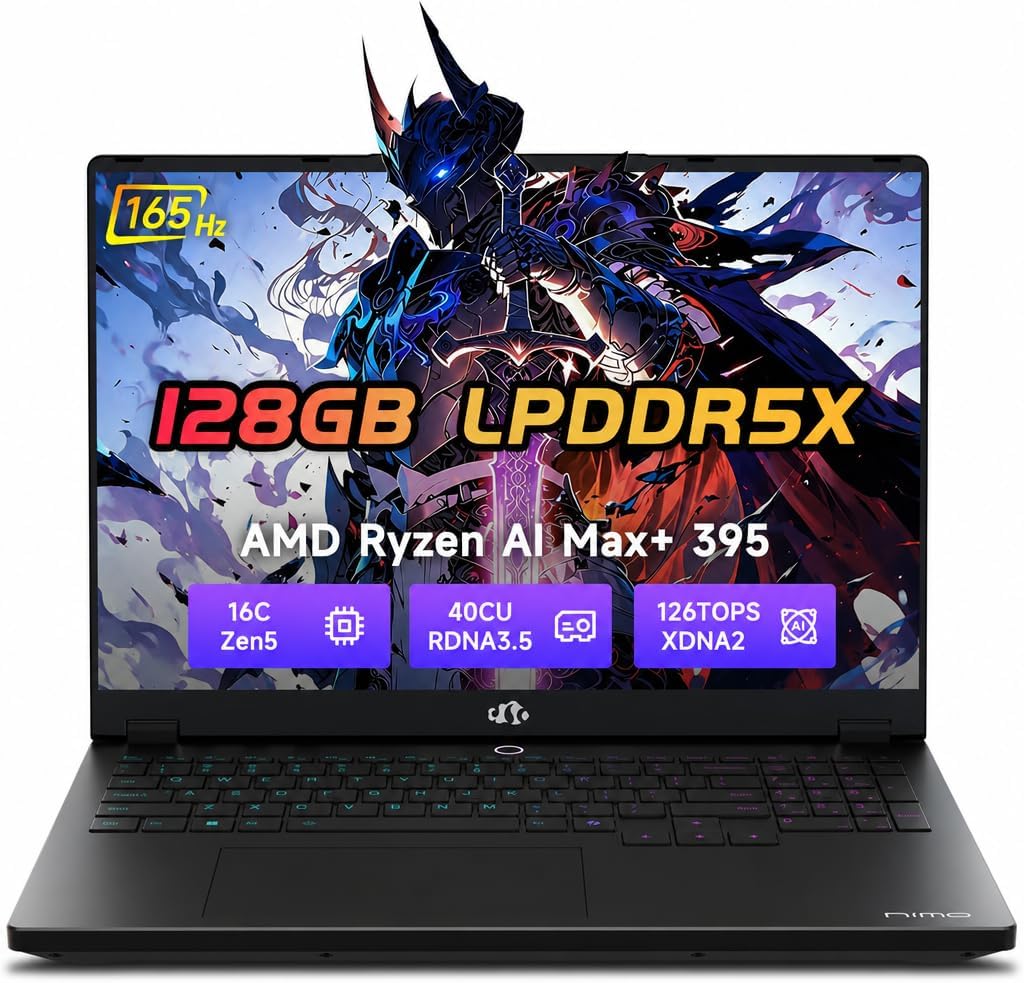
This powerhouse laptop targets serious developers and AI researchers. With 128GB RAM and a cutting-edge Ryzen Max+ processor, it handles heavy local tasks without lag.
We may earn a commission when you buy through this link, at no additional cost to you.
It supports local fine-tuning of models like Llama 3, eliminating the need for expensive cloud subscriptions. Privacy is maintained by processing data locally on the device.
Its price is high, reflecting premium specs. The weight and size mean it is best for stationary use, not frequent travel or backpack use.
Professionals needing maximum compute power will find this unmatched. It is a top-tier solution for local AI and complex development workflows.
With 128GB RAM and high compute, you can run and fine-tune large language models locally without relying on cloud providers.
USB4 ports allow connecting to multiple high-resolution displays or eGPUs, transforming this into a versatile workstation hub.
We may earn a commission when you buy through this link, at no additional cost to you.
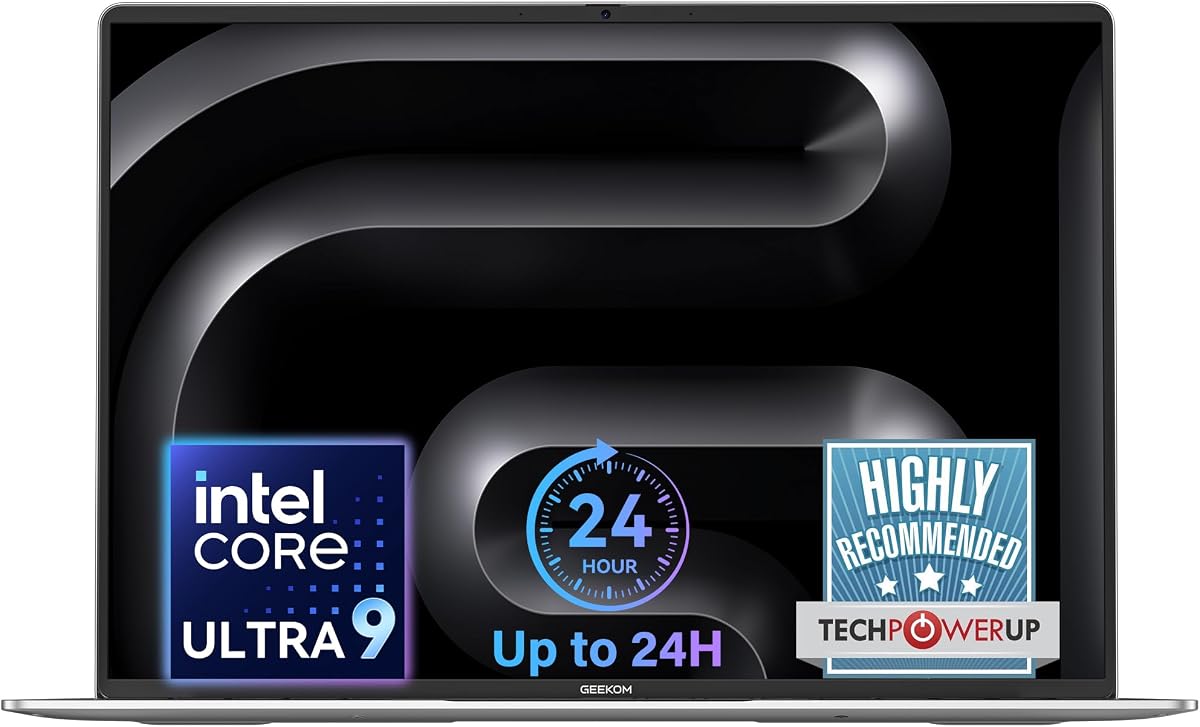
GEEKOM's M16 promises up to 24 hours of battery life. While it runs Windows 11 by default, Linux users can dual-boot or install for open-source needs.
We may earn a commission when you buy through this link, at no additional cost to you.
The Core Ultra 9 processor sustains high performance on battery, a rare feat. The cooling system ensures it stays cool under heavy loads during tasks.
It is a versatile machine for productivity. However, Linux drivers might need extra work compared to pre-installed Linux laptops in this list.
For mobile professionals who need endurance, this is a top contender. Ensure compatibility with your specific Linux distro before purchase.
A large 99.9Wh battery ensures you can work through long meetings or flights without hunting for power outlets constantly.
Support for three external displays via USB4 and HDMI allows for a desktop-like experience while remaining portable.
We may earn a commission when you buy through this link, at no additional cost to you.
This HP 17.3 model features a vibrant Full HD IPS display, excellent for visual work. It runs Windows 11 but is compatible with Linux via custom installation.
We may earn a commission when you buy through this link, at no additional cost to you.
The Ryzen 5 7430U offers solid performance for general computing. 16GB RAM ensures smooth browsing and multitasking for everyday productivity needs.
Portability is low due to the large chassis. The display quality is a standout, making it suitable for media consumption and light creative tasks.
Users needing a large, clear screen will appreciate this model. Verify Linux driver compatibility if planning a fresh install over Windows.
The 300 nits IPS display provides accurate colors and wide viewing angles, helpful for photo editing or design tasks.
Wi-Fi 6 ensures faster wireless speeds and better stability in crowded networks for uninterrupted cloud work.
We may earn a commission when you buy through this link, at no additional cost to you.
ThinkPad L14 comes with a Vanilla Linux system, ensuring deep compatibility with open-source distributions. It is a reliable choice for enterprise Linux workflows.
We may earn a commission when you buy through this link, at no additional cost to you.
The AMD Ryzen 5 PRO 7535U and DDR5 RAM offer snappy performance. The fingerprint reader and backlit keyboard add convenience and security for daily use.
Storage is limited to 256GB, which may need expansion. The keyboard layout includes stickers, making it adaptable for English speakers globally.
For IT departments or developers prioritizing Linux stability, this is a solid choice. The ThinkPad reputation ensures durability and long-term reliability.
Vanilla Linux ensures no proprietary bloatware, making it a clean slate for custom installations or enterprise deployment.
Fingerprint login and professional build standards protect sensitive data, ideal for business environments.
We may earn a commission when you buy through this link, at no additional cost to you.
Selecting a Linux laptop requires careful attention to hardware compatibility and performance needs. This section outlines key factors to consider before purchasing.
Look for devices that come with Linux pre-installed, such as Ubuntu or Mint. This guarantees driver compatibility and saves time on manual configuration.
Pre-installed Linux is the safest path to a hassle-free setup for new users.
Choose an AMD Ryzen or Intel Core processor with at least 6 cores for smooth multitasking. Power users need more cores for compiling code or running VMs.
Higher core counts ensure the system remains responsive during heavy workloads.
16GB RAM is the standard for comfortable multitasking. Developers working with virtual machines should consider 32GB or more for better performance.
Sufficient RAM prevents lag when running multiple applications simultaneously.
Opt for NVMe SSDs with at least 512GB storage for fast boot times. Large projects require ample space to avoid constant external drive reliance.
Faster storage improves overall system responsiveness and workflow efficiency.
A Full HD IPS display ensures accurate colors and wide viewing angles. Higher resolutions like WUXGA offer more vertical space for coding windows.
Quality displays reduce eye strain during long working sessions.
Check for USB-C, HDMI, and SD card readers to connect peripherals easily. Versatile ports reduce the need for dongles during presentations or work.
Having the right ports on board streamlines daily connectivity needs.
Durability matters for travelers. Military-grade specs or aluminum chassis provide better resistance to daily wear and tear.
Sturdy builds ensure your device lasts longer and handles travel well.
Balance cost with performance needs. Budget options may sacrifice storage or screen quality, while premium models offer better longevity.
Choose a laptop that fits your specific requirements without overspending.
Initialize your system by updating packages immediately. Use terminal commands like sudo apt update and upgrade to ensure all drivers are current.
Keep your system secure with a firewall and regular backups. Tools like Timeshift help restore your system after accidental changes.
Maintain battery health by avoiding extreme temperatures and unplugging occasionally. This extends the lifespan of your device's power components.
Yes, most allow dual-booting by modifying BIOS settings. Always back up data before resizing partitions to install Linux alongside Windows safely.
They are worth it for time saved on driver issues. You get tested hardware compatibility without needing technical expertise to set up.
High-end models with ample RAM can run small language models. Dedicated GPUs or high compute power are essential for effective local AI tasks.
Linux Mint or Ubuntu are ideal for beginners due to their user-friendly interfaces and large community support for troubleshooting common issues.
Check the product description for Linux certification. Most modern laptops work well, but specific wireless cards may need extra driver configuration.
Yes, especially models with 16GB or more RAM. High-resolution screens offer more vertical space for code editors, improving productivity.
Vanilla Linux offers a clean, unmodified system. Custom versions like Ubuntu or Mint include pre-configured tools and user-friendly desktop environments.
Most laptops support dual-booting. You can partition the drive to run Windows alongside Linux, retaining access to proprietary Windows-only software.
We reviewed ten top models ranging from budget to premium, focusing on performance and Linux compatibility. Each offers unique strengths for different user needs.
Prioritize RAM and storage for your workload. A balance of portability and screen quality ensures comfort during long work sessions.
Verify current stock and prices before buying as deals change frequently. Choosing the right model today ensures a smooth Linux experience tomorrow.